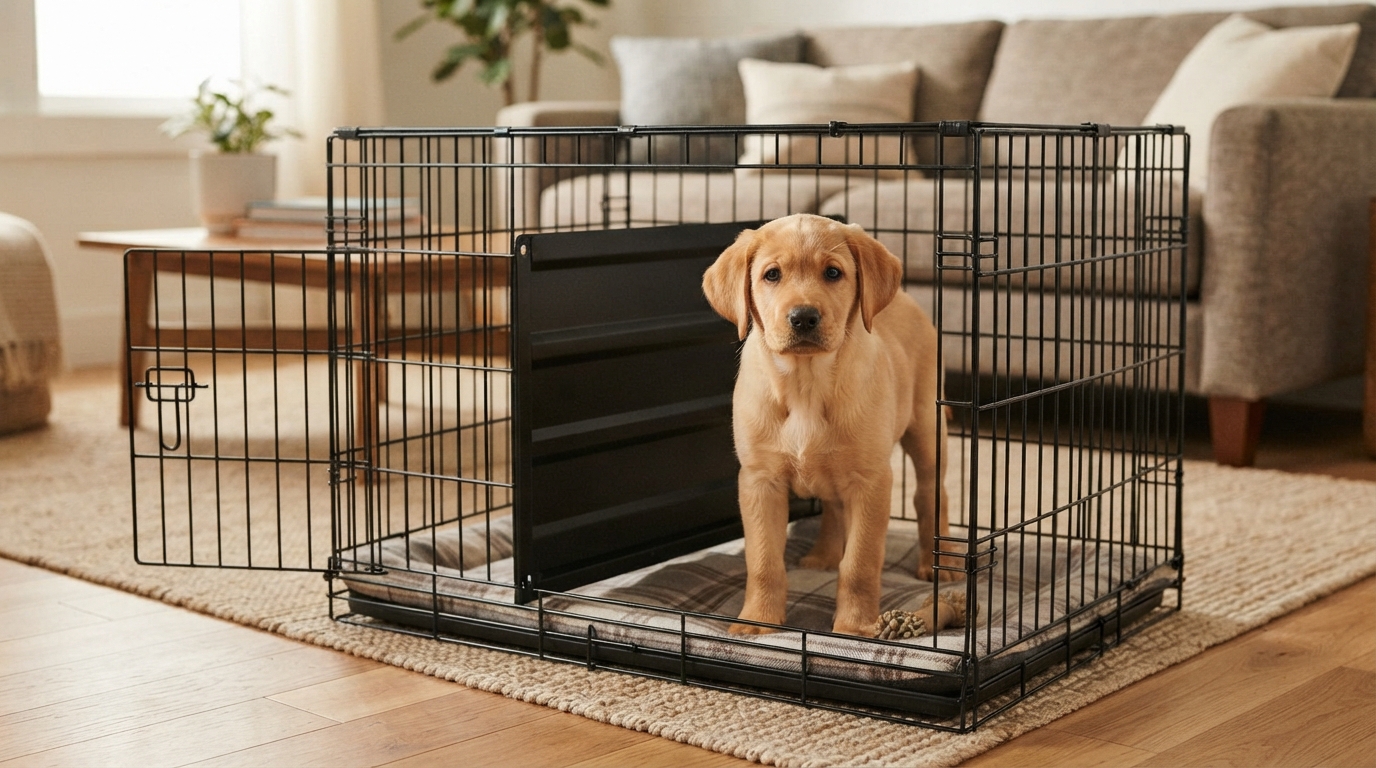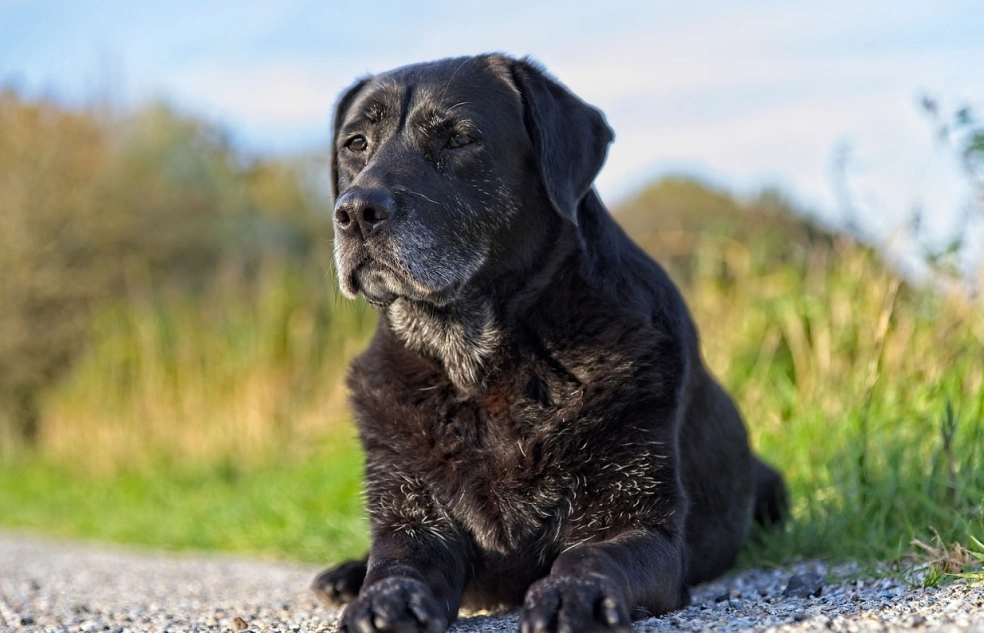
As pets get older, familiar parts of home life can become harder. A slippery floor, a high-sided litter box, or a favorite resting spot reached by stairs may require more effort than it once did. A few thoughtful changes can help your senior dog or cat move around with greater ease and feel more settled.
Every pet ages differently. Pay attention to the small changes you see at home, and talk with your veterinarian if your pet seems uncomfortable, less active, or newly unsure of familiar routines. Green Family Veterinary Practice provides senior care for dogs and cats, with exams and guidance tailored to each pet’s needs.
At a Glance: Helpful Home Changes
- Make walking surfaces easier to grip.
- Keep food, water, bedding, and litter easy to reach.
- Offer a comfortable resting spot in a quiet, draft-free area.
- Reduce the need to climb, jump, or navigate obstacles.
- Keep daily routines familiar and watch for changes in appetite, movement, or behavior.
1. Improve Traction on Slippery Floors
Hard floors can be challenging for pets who feel stiff or unsteady. If your dog or cat slips while walking, place secure, nonslip runners or mats along the routes they use most, such as between their bed and food bowls. Check that rugs stay flat and cannot slide underfoot.
Keep walkways clear of cords, shoes, and other items that might become obstacles. A clear route can make it easier for your pet to move between familiar areas without needing to weave around clutter.
2. Make Everyday Essentials Easy to Reach
Place water, food, bedding, and other regularly used items where your pet can get to them without climbing stairs or making a long trip across the house. If your pet spends time on more than one floor, consider setting up the essentials they need on each level.
Keep bowls on a stable surface, and note whether your pet seems to have trouble lowering their head or reaching the water. Ask your veterinarian before changing bowl height or making other adjustments if your pet has a health condition that could affect what is comfortable.
3. Create a Cozy, Accessible Resting Place
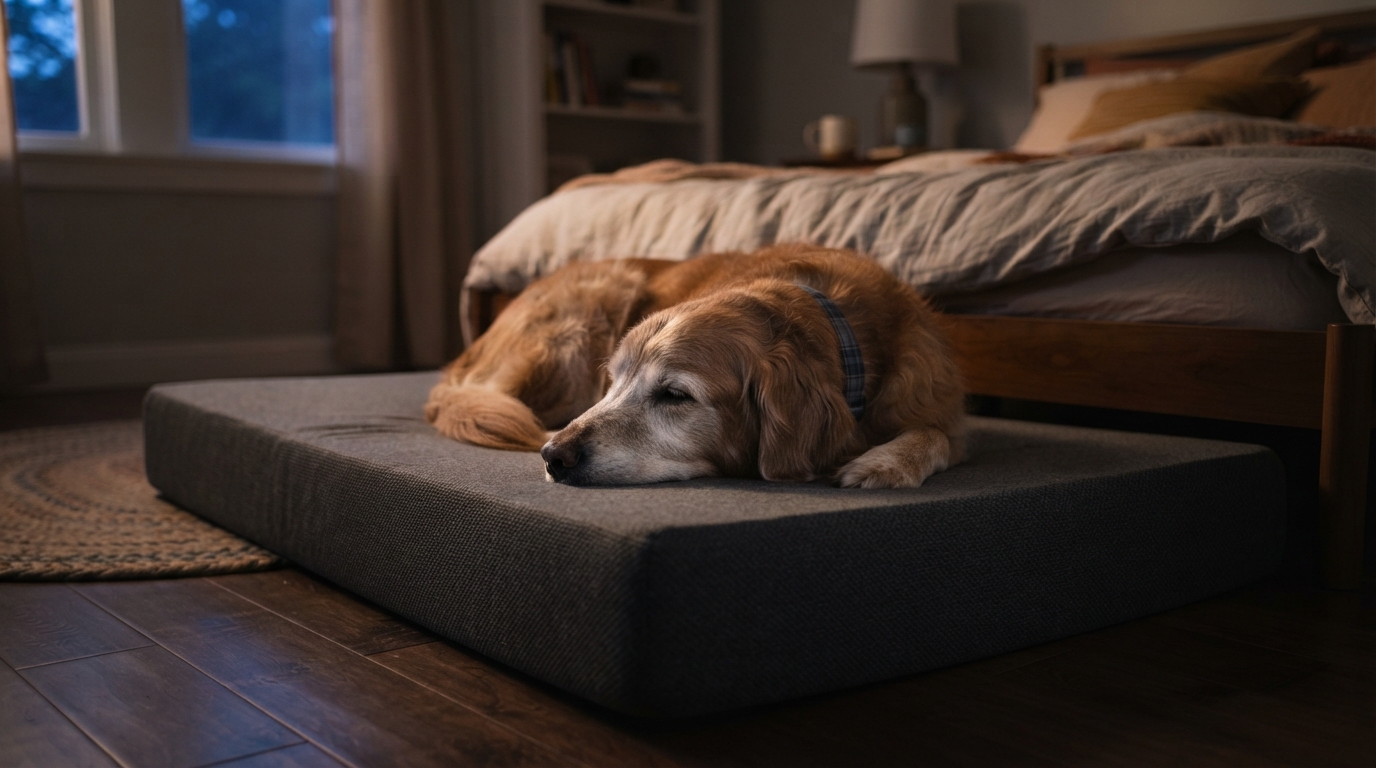
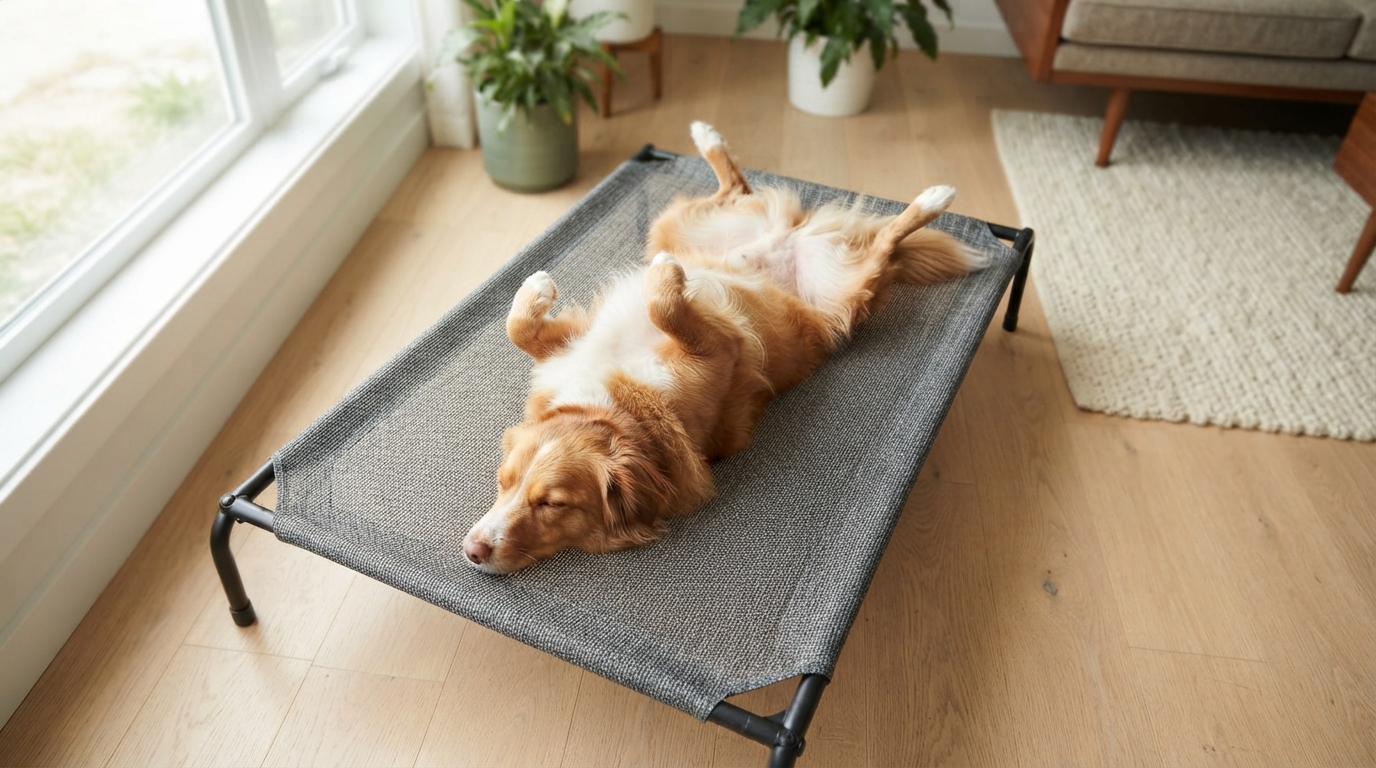
Older pets may appreciate a supportive bed in a quiet area where they can rest without being disturbed. Choose a spot that is easy to reach and away from cold drafts or busy doorways. If your pet’s usual bed is on a couch or raised platform, offer a comfortable alternative at floor level.
Watch how your pet gets up and lies down. Hesitation, repeated repositioning, or difficulty settling can be useful details to share with your veterinarian. Changes in comfort may have several possible causes, so avoid assuming that a new bed alone will address the problem.
4. Reduce the Need to Jump or Climb
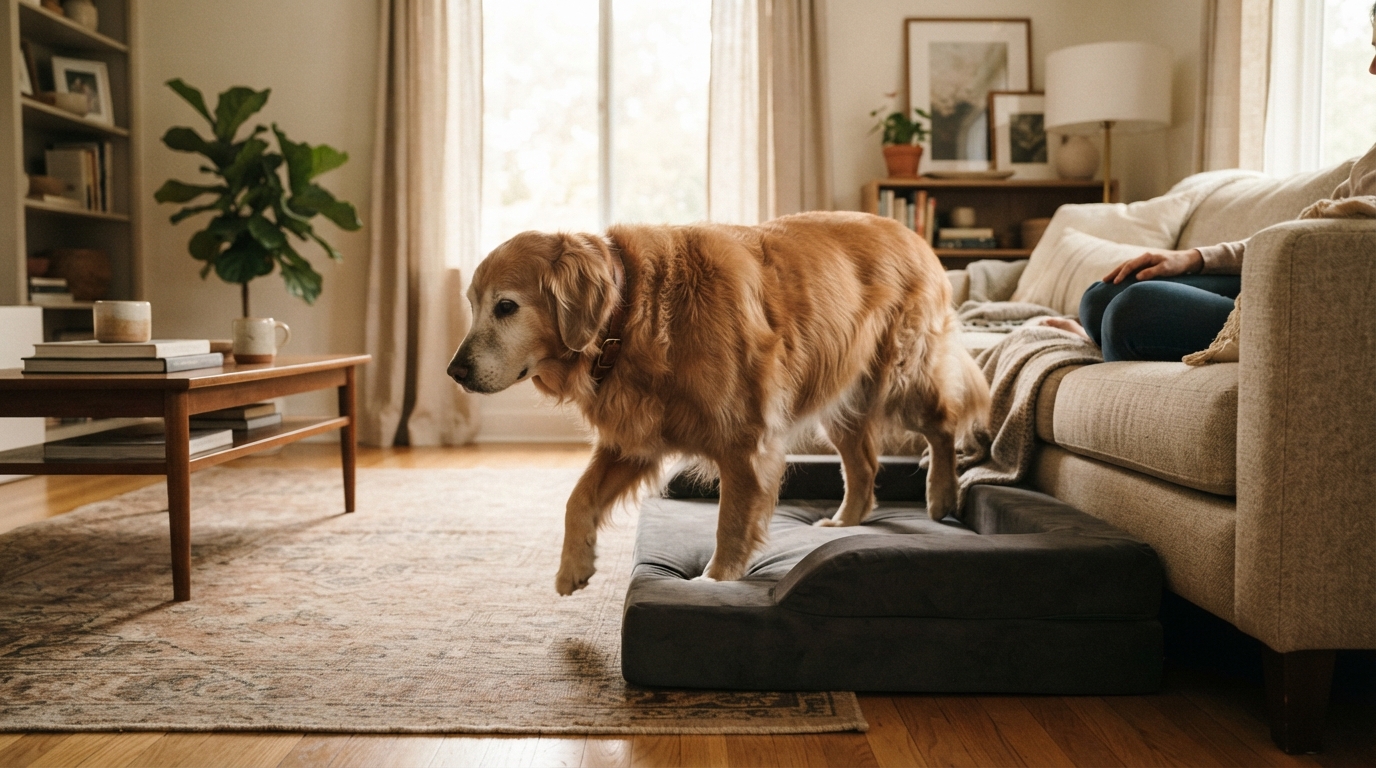
Consider how your pet reaches favorite places. A ramp or pet steps may help some dogs get onto a low, familiar resting surface, but only use equipment that stays stable and gives your pet secure footing. Some animals may prefer a new bed on the floor instead.
For cats, make favored resting places easier to access by providing a stable intermediate step or choosing a lower perch. Avoid encouraging a senior pet to leap from high furniture. If stairs seem difficult or your pet has started avoiding them, set up a comfortable space on the level they use most.
5. Adjust the Litter Area for an Older Cat
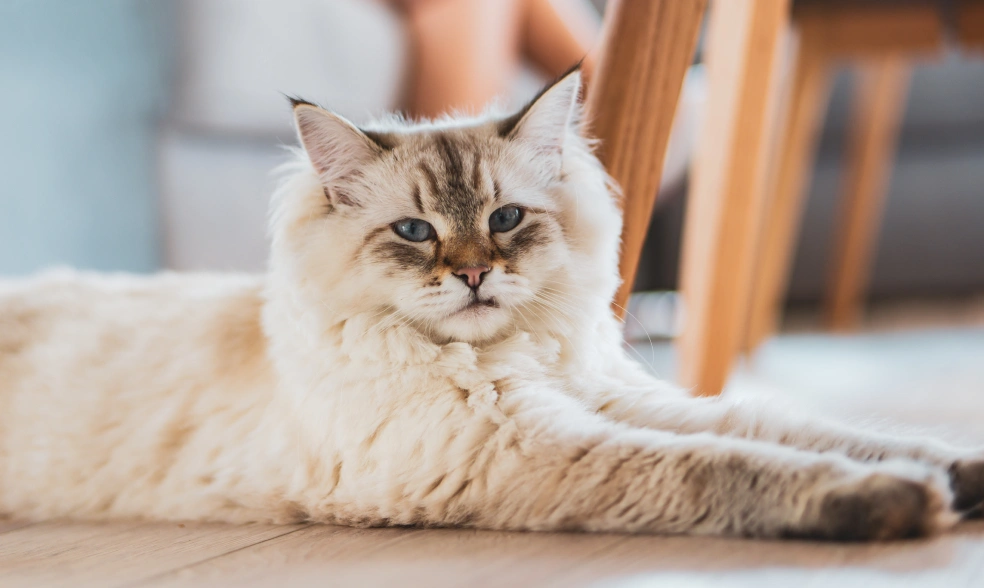
A cat who has difficulty stepping over a tall litter-box edge may benefit from a box with a lower entrance. Place it somewhere quiet and easy to reach, with a clear path and no need to climb stairs. Keep the box clean and avoid moving it suddenly if your cat relies on a familiar location.
If your cat starts missing the box, hesitates before entering, or changes how often they use it, note when the behavior began. A change in litter habits can have different explanations, so contact your veterinarian rather than treating it as a simple behavior issue.
6. Keep Movement Gentle and Predictable
Regular, comfortable movement can remain part of an older pet’s routine, but activity may need to change with age and health. Choose manageable walks for dogs and easy opportunities to move around indoors for cats. Let your pet set the pace, and avoid pushing through signs of discomfort or fatigue.
Keep paths to outdoor areas clear and make outings as straightforward as possible. If your dog appears stiff, has trouble rising, or moves differently, discuss those observations with your veterinarian. Green Family’s senior dog care includes attention to mobility, joint comfort, and home and activity adjustments.
7. Keep Daily Routines Familiar
Older pets may experience changes in appetite, sleep, activity, or behavior. A consistent schedule for meals, walks, play, and rest can make the day easier to follow. Keep household changes gradual when possible, and make sure your pet has a calm place to retreat if the home becomes noisy or busy.
Take note if your pet seems confused in familiar spaces, has a different sleep pattern, or responds differently to people and surroundings. Changes in vision, hearing, mood, or cognitive behavior are worth discussing with your veterinarian. Cats may also be affected by food texture, water access, and environmental stress, so mention any shifts in eating or drinking.
8. Watch for Changes and Keep Up with Veterinary Care
A comfortable home is one part of senior care. Pets often hide signs that something is wrong, so changes in weight, appetite, mobility, dental health, or daily habits deserve attention. Keep a brief record of what you notice and when it happens. Specific examples can help your veterinary team understand what has changed.
Senior years begin at different ages. Dogs are often considered senior around age 7, cats around age 8, and larger dog breeds may reach this stage closer to age 5. Green Family Veterinary Practice recommends semi-annual check-ups for geriatric pets. Exams and screening may help the team monitor concerns such as weight changes, dental disease, arthritis, vision issues, and heart or lung health. Depending on the pet, screening may include bloodwork, urinalysis, fecal testing, X-rays, or ultrasound.
For dogs, the practice also offers veterinarian-guided laser therapy as one option to support healing, circulation, comfort, and movement. A veterinarian evaluates each dog and decides whether the treatment may fit their needs. Learn more about dog laser therapy at Green Family Veterinary Practice.
Frequently Asked Questions
How can I tell if my senior pet is comfortable at home?
Look at how easily your pet moves between resting, eating, drinking, and toileting areas. Slipping, avoiding stairs, struggling to stand, or changes in litter-box use may suggest that something is harder for them. Share these observations with your veterinarian, especially if they are new or worsening.
Should I change my pet’s food as they get older?
Not necessarily. Nutritional needs and appetite can change with age, but the right diet depends on the individual pet. Talk with your veterinarian before changing food or portions, and mention changes in appetite, digestion, water intake, or weight.
How often should a senior pet see the veterinarian?
Green Family recommends check-ups every six months for geriatric pets. Your veterinarian can advise you on an appropriate schedule based on your pet’s age, health, and changing needs.
Make Comfort Part of Everyday Care
Small changes can make familiar routines more manageable for an aging pet. Start with the areas your pet uses most, keep pathways accessible, and pay attention to what feels difficult for them. Pair home adjustments with regular veterinary care so you can address new concerns and support your pet’s wellbeing through every stage of life.