Memory Foam vs Bolster Beds: What Changes at Night? The answer depends on two separate choices: what cushions your dog and whether raised sides make sleeping more comfortable or more restrictive.
Key Takeaways
| Question | Practical answer |
|---|---|
| Can a bolster bed have memory foam? | Yes. Memory foam describes the sleeping surface, while a bolster describes the bed’s raised edges. |
| How do I compare the two features? | Separate cushioning and shape, then judge each against your dog’s support needs and sleeping habits. |
| How can I tell if my dog likes raised sides? | Watch whether your dog rests against an edge, avoids it, or repeatedly changes position to get around it. |
| What should I measure? | Compare your dog’s stretched-out sleeping space with the bed’s usable inner surface, not just its outside dimensions. |
| Where can I find a related guide? | Memory Foam or Bolster Dog Bed: What Changes at Bedtime? considers cushioning and bed shape together. |
| How can I organize measurements? | Use the Pet Furniture Fit Kit printable measuring and sizing worksheets to keep your dog’s measurements and available space together. |
Memory foam and bolsters describe different things
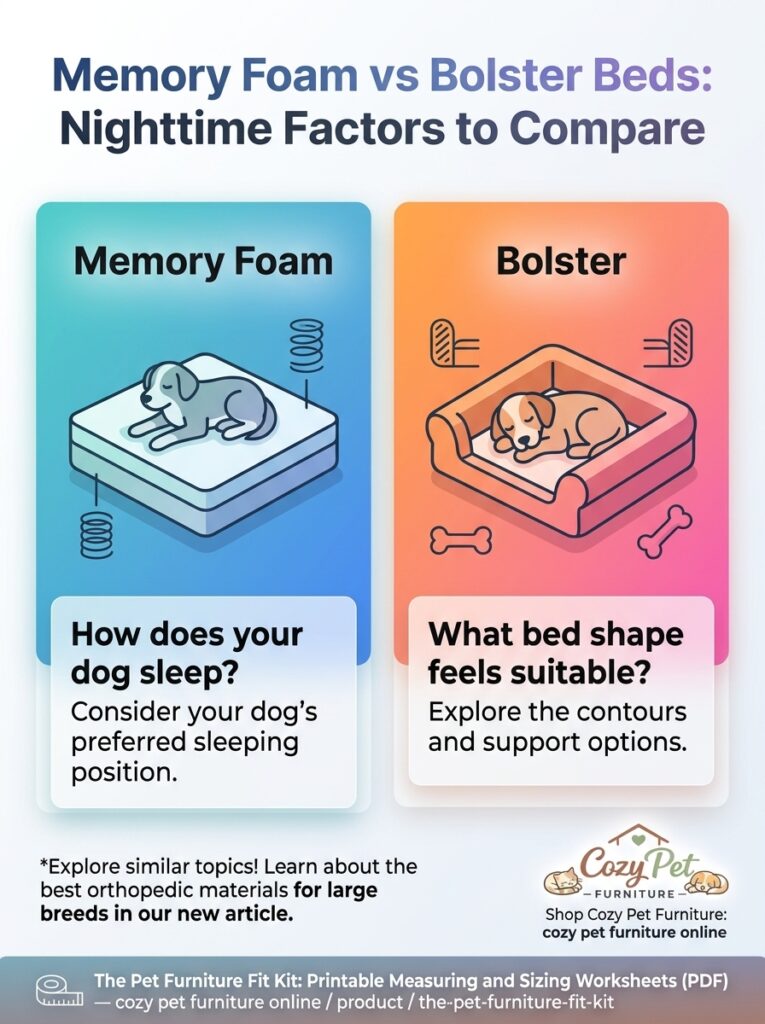
Memory foam is a viscoelastic cushioning material. It responds to pressure and body heat, conforming around a dog’s body to spread pressure across a broader area.
A bolster is a raised or padded edge that changes a bed’s shape. Dogs may rest their heads on it or lean against it, but the edge does not tell you what the sleeping surface is made from.
That distinction matters because a bolster bed can have a memory-foam sleeping surface. Compare the support material and the edge design independently rather than treating them as competing bed types.
Plushness alone is a poor measure of comfort. A soft surface can feel cozy at first, yet provide too little support if your dog sinks deeply or bottoms out against the floor.
Quick comparison
| Feature | What it changes | What to consider |
|---|---|---|
| Memory foam | The feel and support of the sleeping surface | Whether it cushions your dog without excessive sinking |
| Bolster | The shape and usable area of the bed | Whether your dog likes leaning against raised sides |
| Memory foam with a bolster | Both surface cushioning and a raised edge | Whether the interior remains large enough for your dog to rest comfortably |

Match cushioning and firmness to your dog’s needs
Your dog’s weight and body shape affect how a bed compresses. The surface should cushion pressure points while supporting the body, rather than compressing so far that your dog rests against the floor.
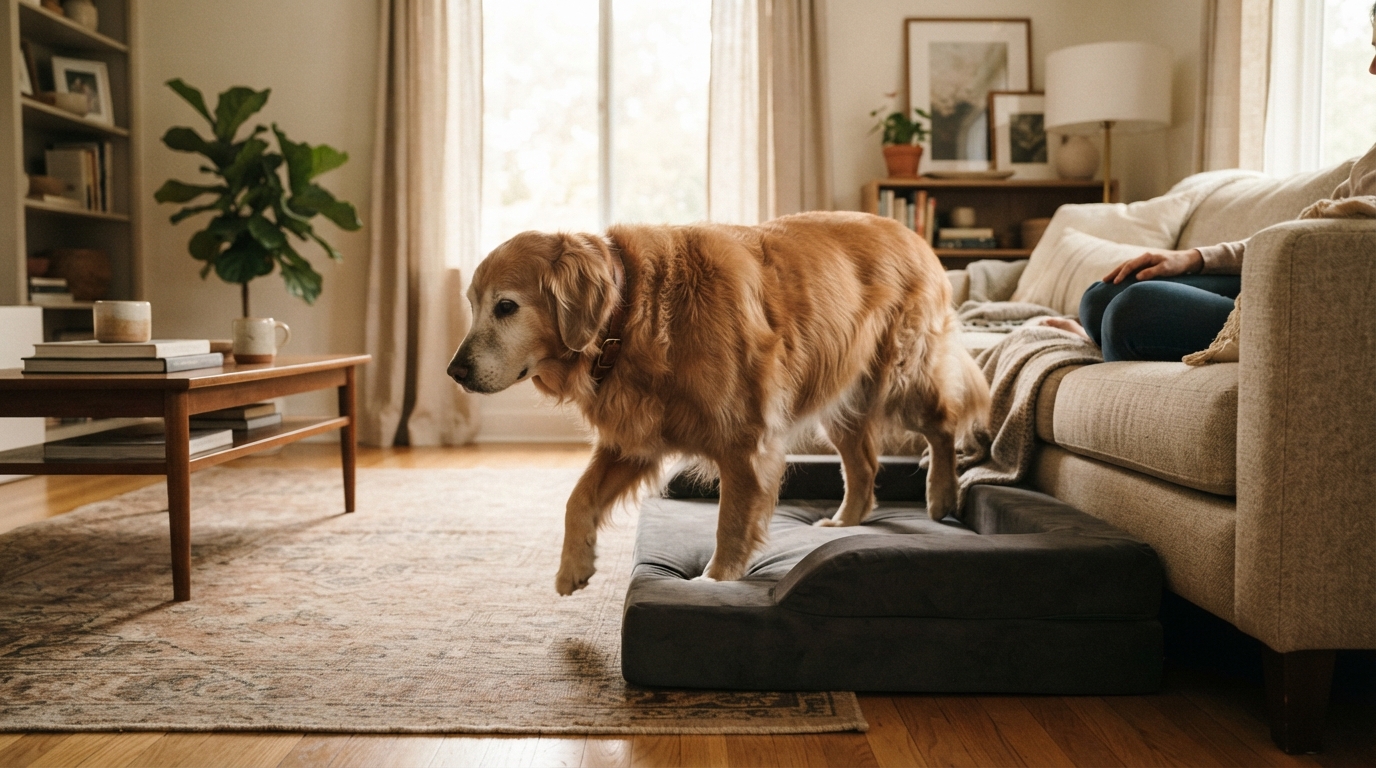
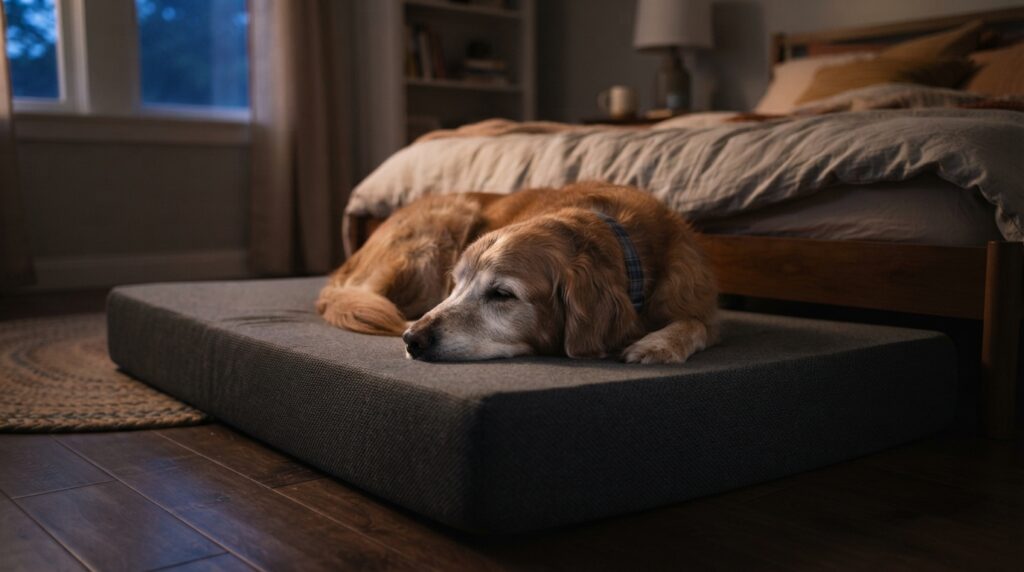
Age and mobility matter too. For an older dog or one with joint concerns, look for stable support and easy entry; a very soft, deep-sinking surface may make it harder for some dogs to stand up.
Assess the bed while your dog is lying on it. Notice excessive sinking, a body that appears poorly supported, or difficulty rising, and compare how easily your dog settles and gets back up.
An orthopedic bed or orthopedic memory foam bed for dogs is not automatically the right answer for every dog with joint concerns. Persistent discomfort or a sudden change in movement calls for veterinary advice, not just a different firmness or bed style.
Our Memory Foam or Bolster Dog Bed: What Changes at Bedtime? guide is a useful companion when you want to compare how the surface cushions your dog with how the bed’s shape affects bedtime. It suits this decision because it keeps those two features distinct.
For large dogs, pay particular attention to how the surface supports the body under your dog’s weight. When comparing dog beds marketed for orthopedic support, judge the actual fit and ease of getting up rather than choosing by a label alone.
Read your dog’s nighttime positions for clues
Watch your dog settle, sleep, and reposition over several nights. A dog that repeatedly rests its head against an edge or leans into a side may find a bolster comfortable.
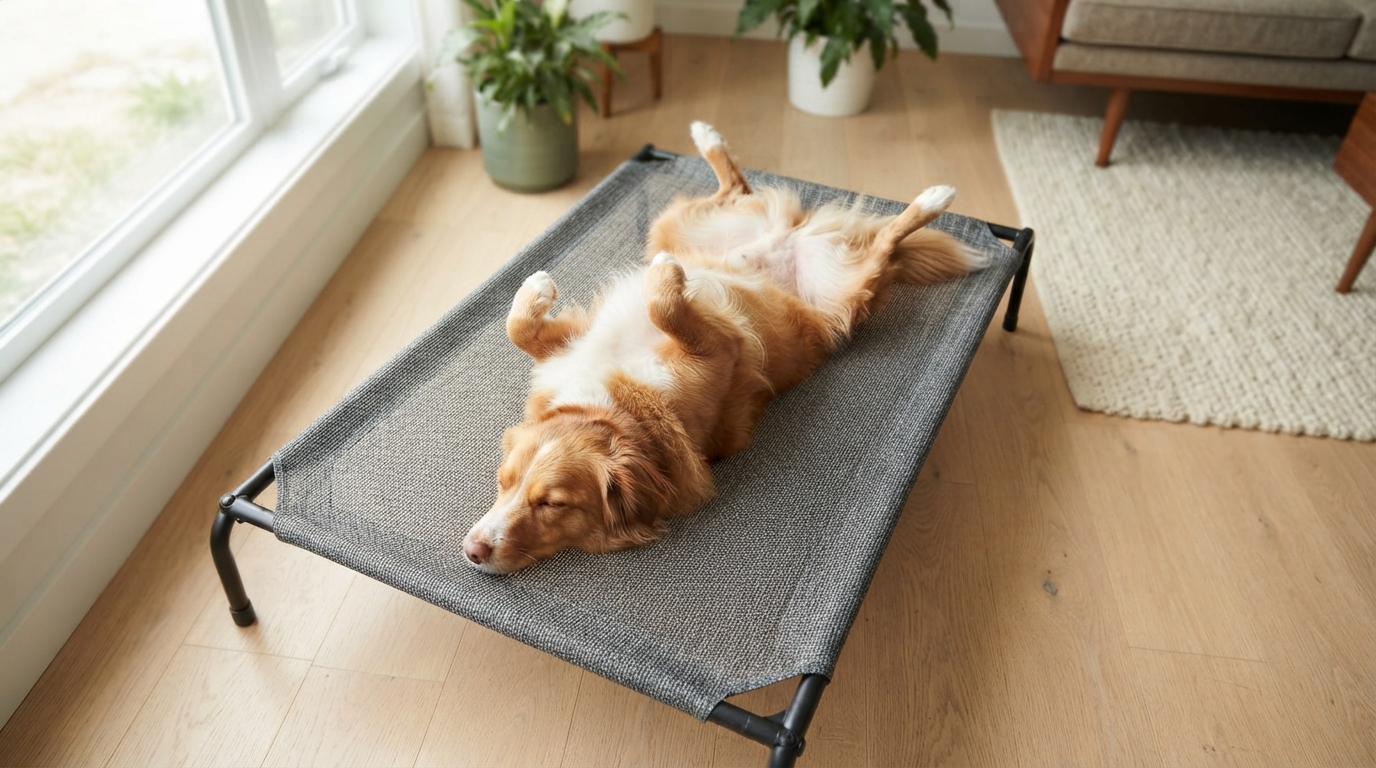
A dog that stretches across the bed, changes position often, or sleeps close to the edge may do better with a broad, unobstructed surface. Raised sides can take away some of the room needed to stretch out.
Pay attention to what your dog does around the edges. Avoiding them, climbing over them, or appearing confined can suggest that the bolster is restrictive rather than reassuring.
Use your dog’s usual nighttime behavior to make the choice, not one nap or a general assumption about breed. Some dogs like an enclosed feel; others prefer an open sleeping surface with room to move.
Measure the space your dog can actually sleep on
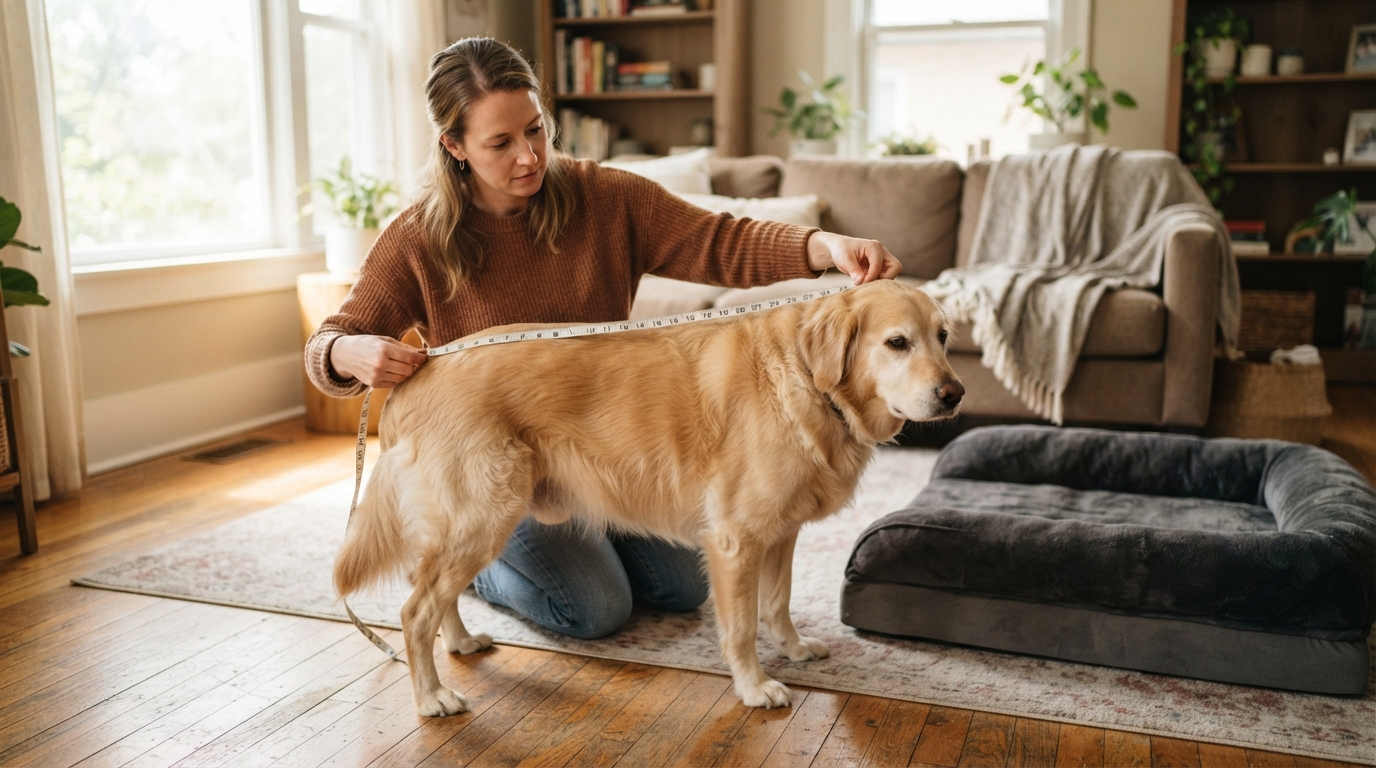
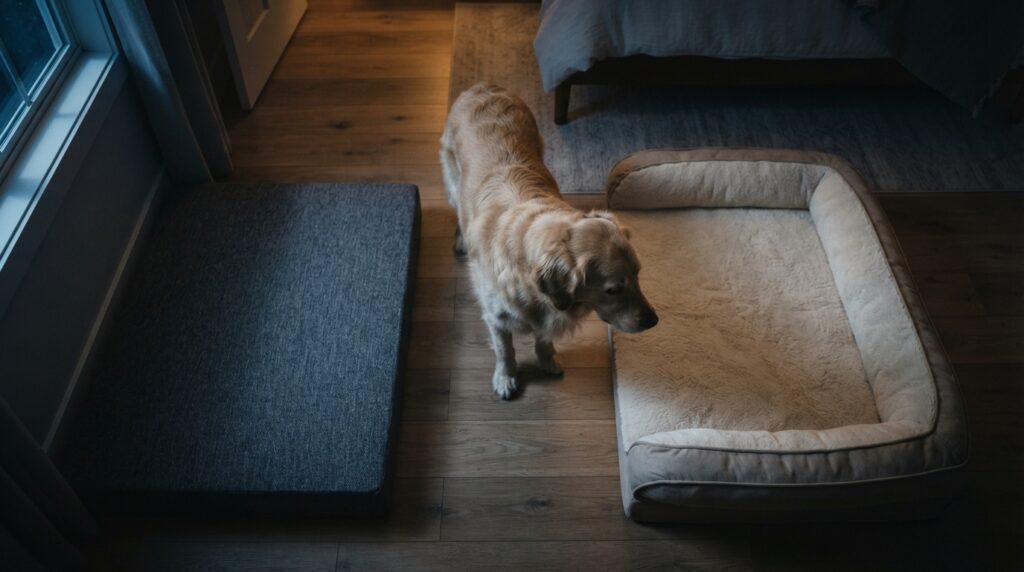
Measure your dog while they are stretched out in a natural sleeping position, then allow extra room for turning and changing posture. A bed that fits one resting pose may feel cramped after your dog shifts during the night.
Compare that measurement with the bed’s usable inner sleeping surface, not only its outside dimensions. Raised bolsters can substantially reduce the area available for stretching.
A dog that curls up may feel secure on a snugger surface, while a sprawler needs enough unobstructed room to extend their legs without pressing against the sides. This is especially important when choosing large memory foam dog beds, since a generous outside size does not always mean a spacious sleeping area.
Use the Pet Furniture Fit Kit worksheets to organize your dog’s measurements and compare them with the space available for the bed. Keeping those measurements together makes it easier to assess both the dog’s sleeping area and the room where the bed will go.
When you compare bed size, look at the measurements from the point of view of your dog lying down. The outer footprint helps you plan the room; the inner surface tells you how much space your dog can actually use.
Balance warmth, airflow, and a sense of enclosure
Memory foam can retain more warmth than a more open, airy surface. If your dog often seeks cool floors or seems warm during sleep, include that preference in your choice of bed material.
Raised sides can make a bed feel more sheltered, while a flat, open surface gives a sprawled sleeper more exposure to the surrounding air. The better shape depends on whether your dog seeks an enclosed place to rest or prefers a more open sleeping spot.
Keep the bed away from direct heat, and consider room placement if drafts or stuffiness affect the sleeping area. The dog’s nighttime environment matters as much as the bed itself.
If airflow is a priority, consider how an elevated design allows air to move beneath the sleeping surface, alongside your dog’s preference for a raised edge. Our guide to when an elevated bed makes sense for cooling covers that balance.
Keep the bed clean and recognize when support fades
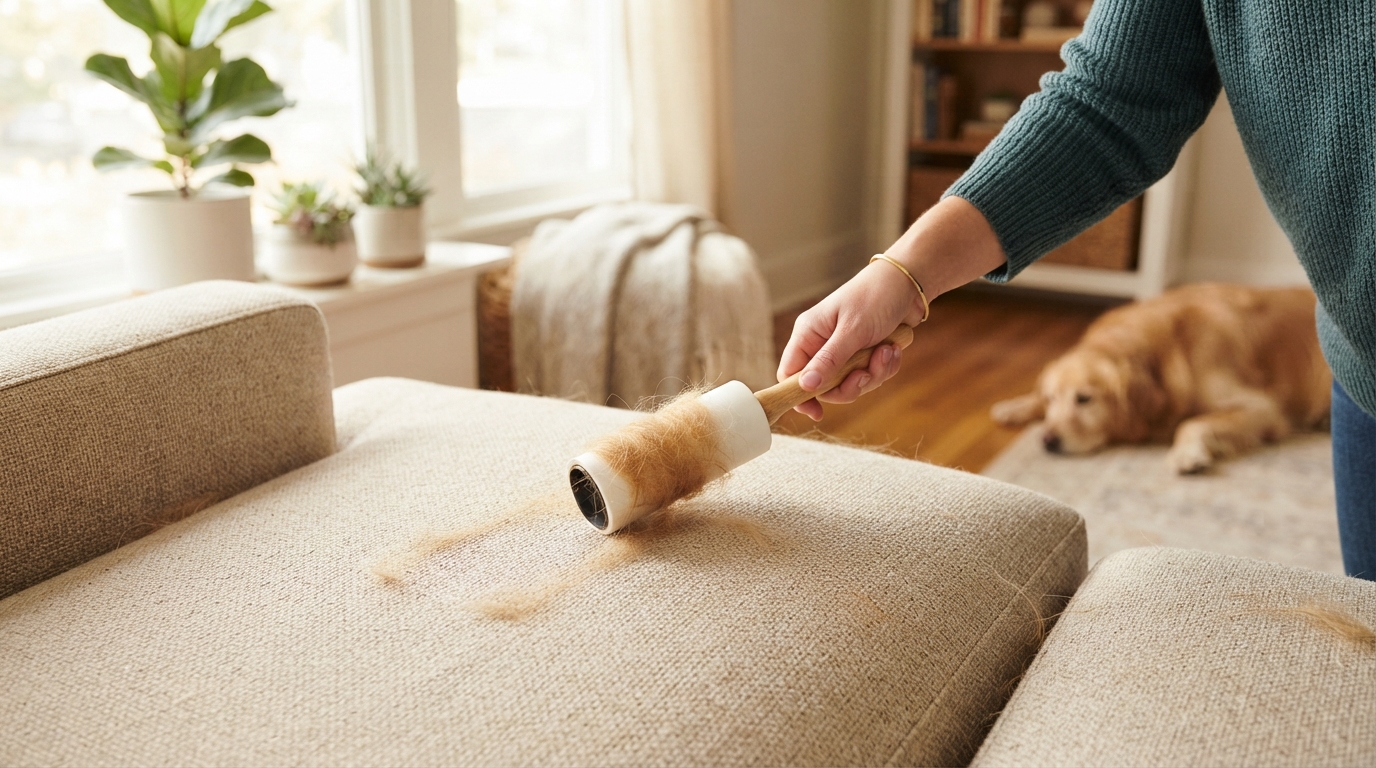
For shedding or accidents, a removable, washable cover makes routine cleaning easier. Follow the cover’s care directions and keep moisture away from the foam core.
Let washed covers and any damp bed components dry fully before your dog uses the bed again. Trapped moisture can affect foam and encourage odors.
Check the bed periodically for persistent indentations, flattened bolsters, torn covers, or foam that no longer rebounds. These changes can reduce support or shrink the usable sleeping space.
Avoiding the bed, shifting repeatedly, or struggling to rise where your dog previously rested comfortably can signal that the bed’s condition or your dog’s needs have changed. Foam sagging and flattened edges are worth checking alongside those changes in behavior.
Washable covers are practical, but care still matters. Removing fur and dirt regularly and letting the cover dry completely helps keep the sleeping surface comfortable without exposing the foam to unnecessary moisture.
Frequently Asked Questions
How can I help my dog adjust to a new bed?
Place the new bed near your dog’s familiar resting area and let them investigate it at their own pace. A familiar blanket can make the spot smell recognizable, and calm praise when your dog chooses to lie there helps build a positive association.
Can a dog bed go inside a crate?
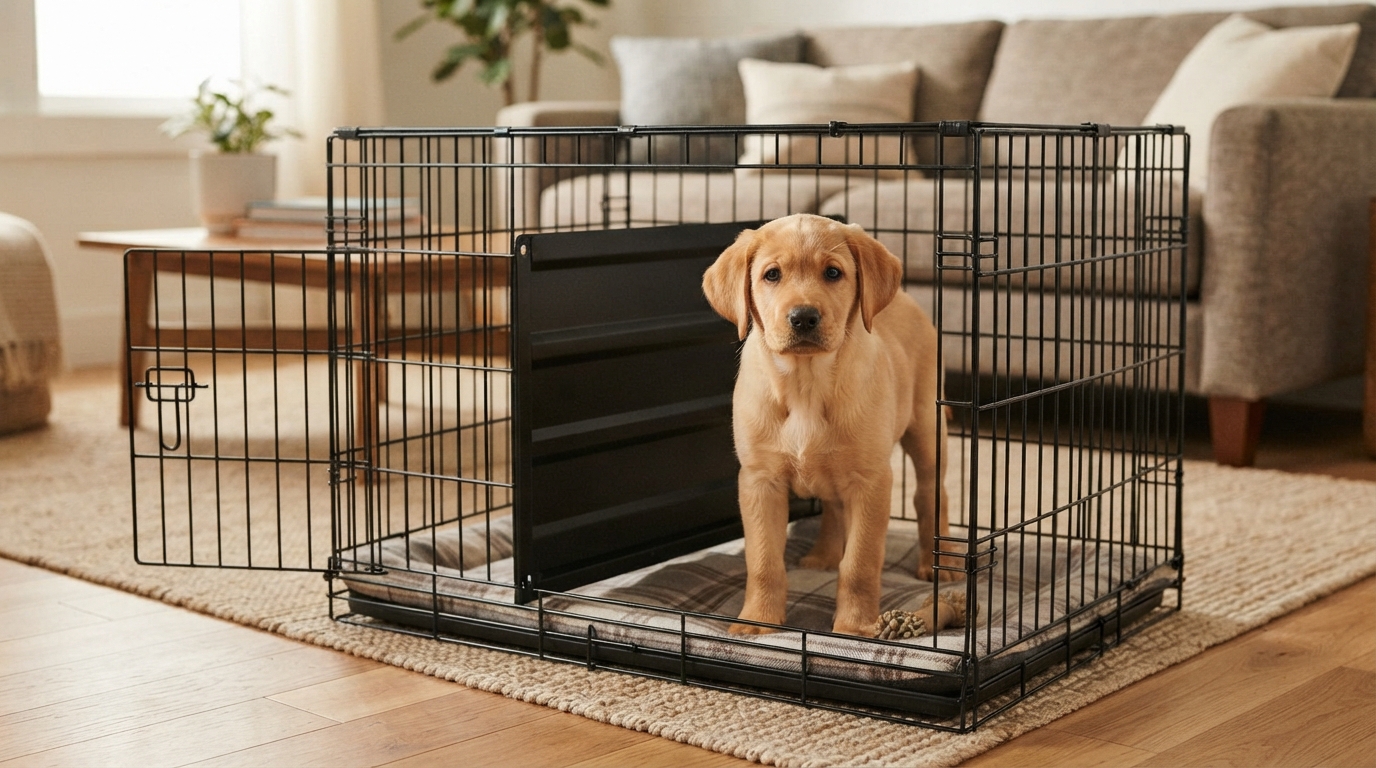
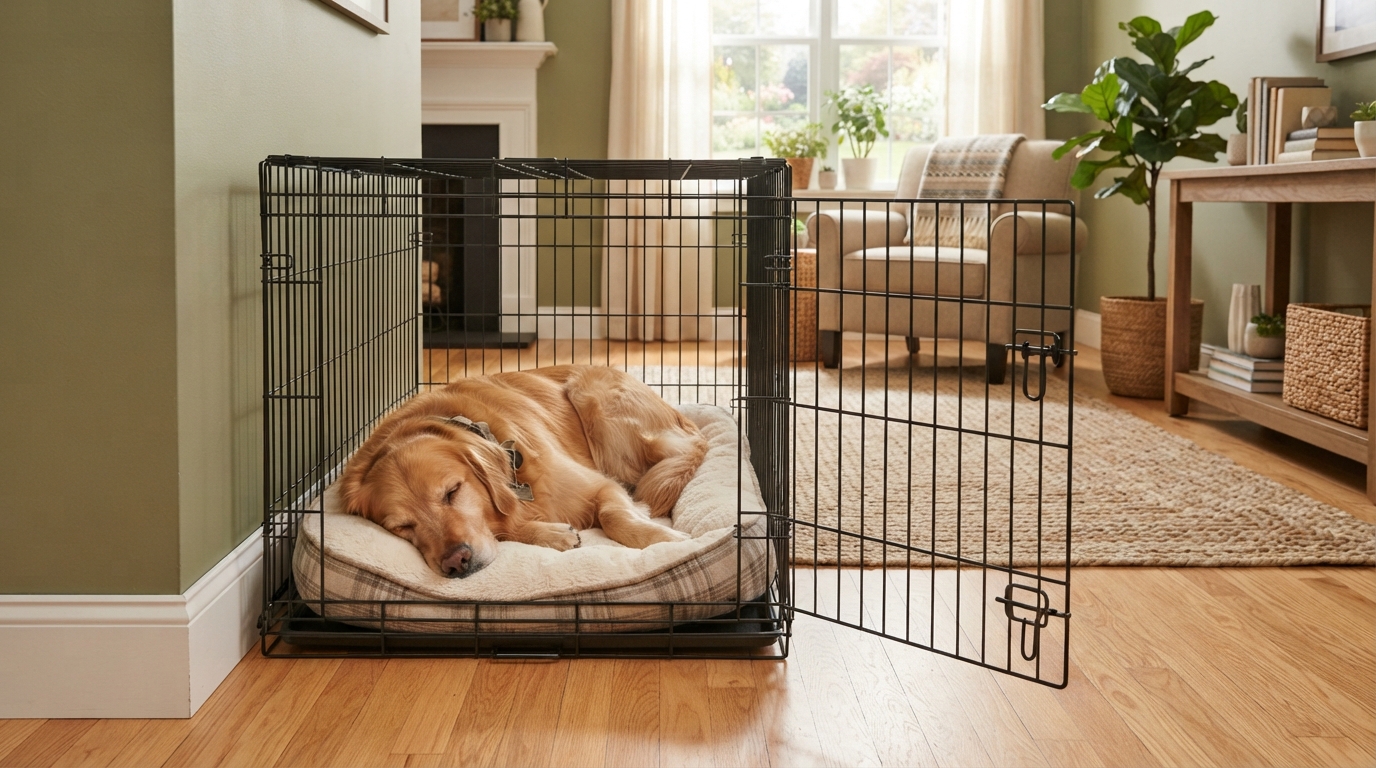
Yes, if the bed fits inside without blocking the crate door or leaving too little room for your dog to turn and lie down. A low-profile bed can also make it easier for a dog to step in and out of the crate.
Does memory foam need time to regain its shape after being unpacked?
Some compressed foam needs time to expand and settle after unpacking. Leave it in a ventilated room until the surface looks evenly formed, since room temperature and foam construction can affect how quickly it responds.
Can I use a heated pad on a memory-foam dog bed?
Use a heated pad only when the instructions for both the pad and bed allow that combination. Memory foam can retain warmth, so choose a controlled, low-heat option and monitor your dog rather than leaving a new setup unattended.
How often should I replace a dog bed cover?
There is no single replacement schedule for every cover. Replace it when the fabric has worn thin, the seams or zipper fail, or washing no longer removes persistent odor or soiling.
Conclusion
Memory Foam vs Bolster Beds: What Changes at Night? The key is to separate the sleeping surface from the bed’s shape, then match both to your dog’s support needs, movement, and nighttime preferences.
Choose cushioning that supports your dog without excessive sinking, and make sure the usable surface leaves room to settle and reposition. Watch how your dog actually sleeps, keep the bed clean and dry, and adjust the setup if comfort or mobility changes.