Dog beds for hot sleepers should make it easier for warmth to escape, but more airflow is not always more comfortable. Your dog’s coat, sleeping position, mobility, and room conditions all help determine whether a breathable cot, a cooling mat, or a more cushioned bed is the better fit. A sprawler often suits an elevated mesh cot; a tile-seeker may prefer a contact-cooling mat, while a dog needing joint support may need cushioning.

Key Takeaways
- Look at where your dog chooses to rest. Sprawling on a cool floor or moving away from thick bedding can suggest that a bed is retaining too much warmth.
- Airflow and contact cooling work differently. An elevated cot lets air move beneath the sleeping surface, while a cooling mat offers a cooler-feeling surface at floor level.
- Match the bed to your dog’s habits. A dog that stretches out may value an open, breathable surface; one that curls up may prefer more coverage.
- Balance airflow with support. A firm cot may suit a healthy dog that likes a raised surface, but a dog that needs pressure relief may need more cushioning.
- Check fit, stability, and wear. Your dog needs room to turn and reposition, and the sleeping surface should stay even under their weight.
- Keep heat safety in view. A cooling dog bed can support comfort, but it cannot replace shade, fresh water, a suitably cool space, or veterinary help when overheating is suspected.
When airflow should take priority
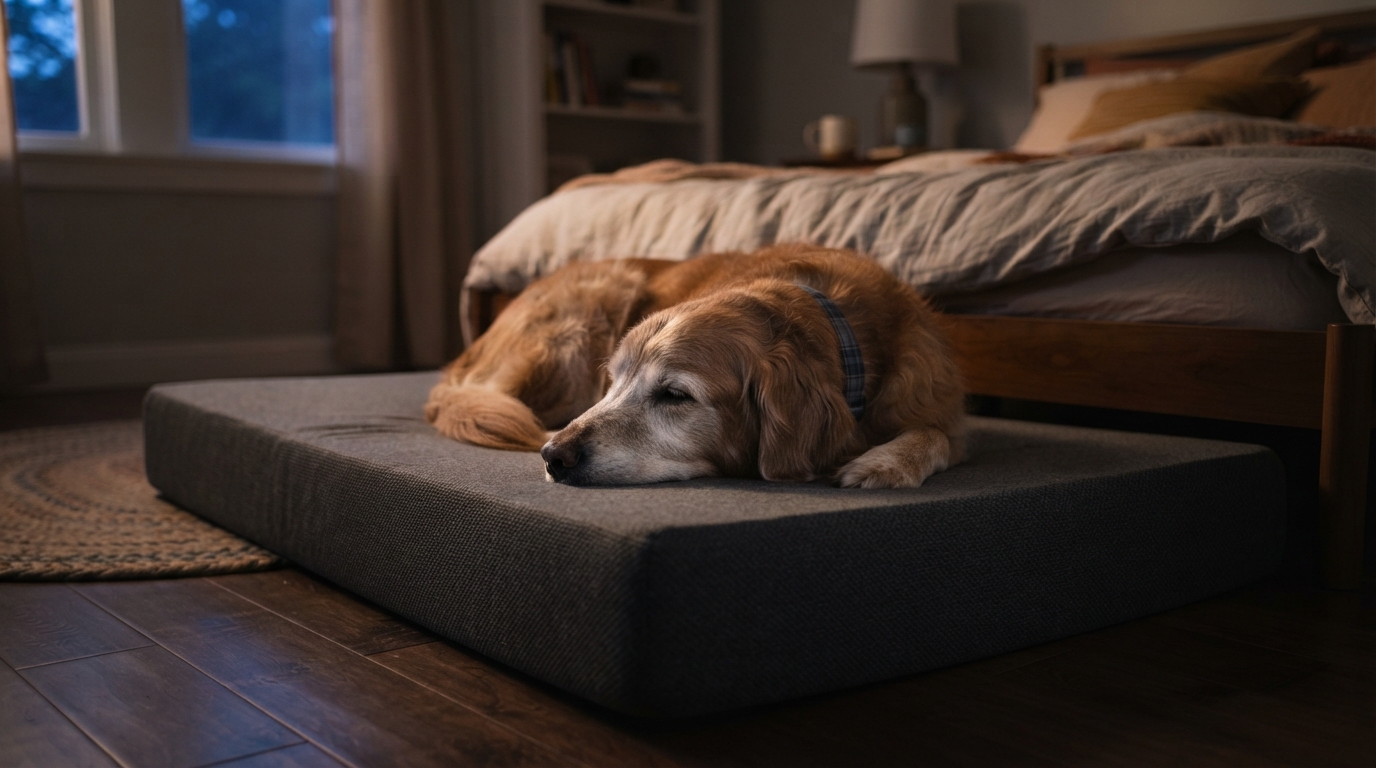
Prioritise airflow if your dog often sprawls on tile or another cool floor, shifts away from soft bedding, or seems uncomfortable on thick padding. These habits can indicate that the bed is holding more warmth than your dog wants against their body.
Consider coat density, room temperature, humidity, and sleeping position together. A dense coat or warm room can make it harder for a dog to lose heat, while a dog that curls up may value the coverage of a cushioned bed more than a dog that stretches out.
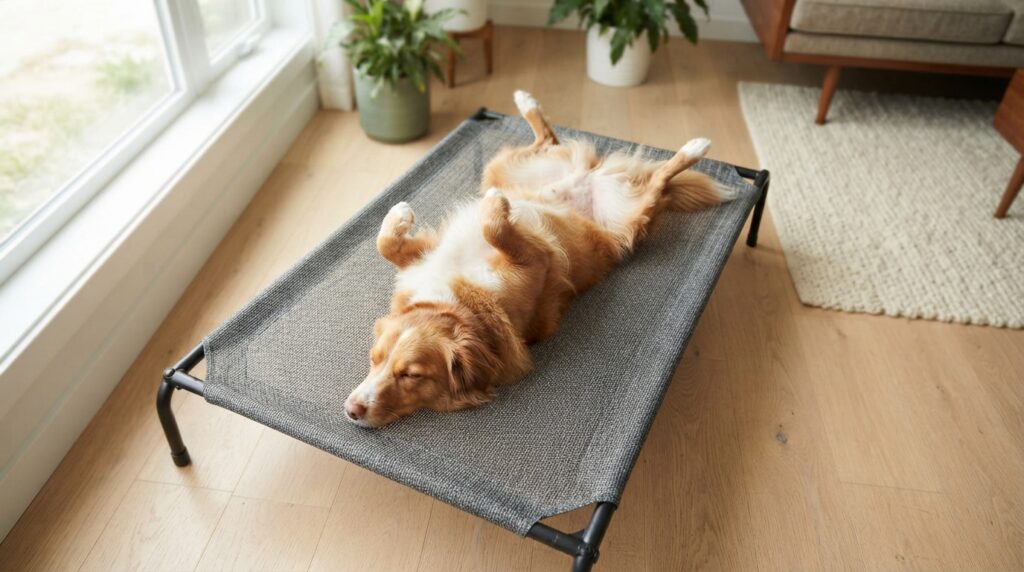
An elevated dog bed can help a warm sleeper by allowing air to circulate beneath the sleeping surface as well as around the dog. Its firm, breathable surface suits dogs that tolerate a raised resting place and do not need deep cushioning.
An elevated dog cot is a useful example of an airflow-first design: the dog rests above the floor on a firm surface, rather than sinking into thick padding. Choose this style when your dog likes to lie stretched out and appears comfortable on a stable, raised bed.
A breathable dog bed does not have to be a cot to allow some air movement. Open, less-padded surfaces usually trap less warmth against the body than thick foam or plush fabric, although the bed’s shape and construction also affect how much of the dog’s body is covered.
For dog beds for hot sleepers, the most helpful clue is often your dog’s normal routine, not a cooling label. Pay attention to where they settle after exercise, whether they move during the night, and whether their preferred position changes when the room warms up.
Compare breathable beds with cooling mats
A mesh cot promotes airflow through and beneath its sleeping surface. A cooling mat works through contact with a cooler-feeling surface, and the cooling mechanism varies by mat.
Some mats use cooling gel, while others rely on different materials or a water-filled design. These approaches are not interchangeable: a mesh sleeping surface focuses on airflow, while a gel cooling mat or water-filled cooling bed creates a surface your dog rests directly against.
Use these differences as a shortlist, not a cooling guarantee. A mesh cot prioritises airflow and has little cushioning, so check that its surface stays taut. A gel mat provides direct contact with a cooling surface; check its instructions for how cooling is activated and whether it needs time to recover between uses. A water-filled surface needs stable placement and inspection for leaks. Foam usually offers more cushioning, but a thick insert may hold more warmth; a breathable cover cannot make the insert itself airy. Compare the whole construction, care instructions, and your dog’s preferred sleeping position.
A cooling or gel label does not guarantee that a bed will feel cool in every room or for every dog. Compare its design with the indoor temperature, your dog’s habits, and whether they prefer to rest above the floor or directly on it.
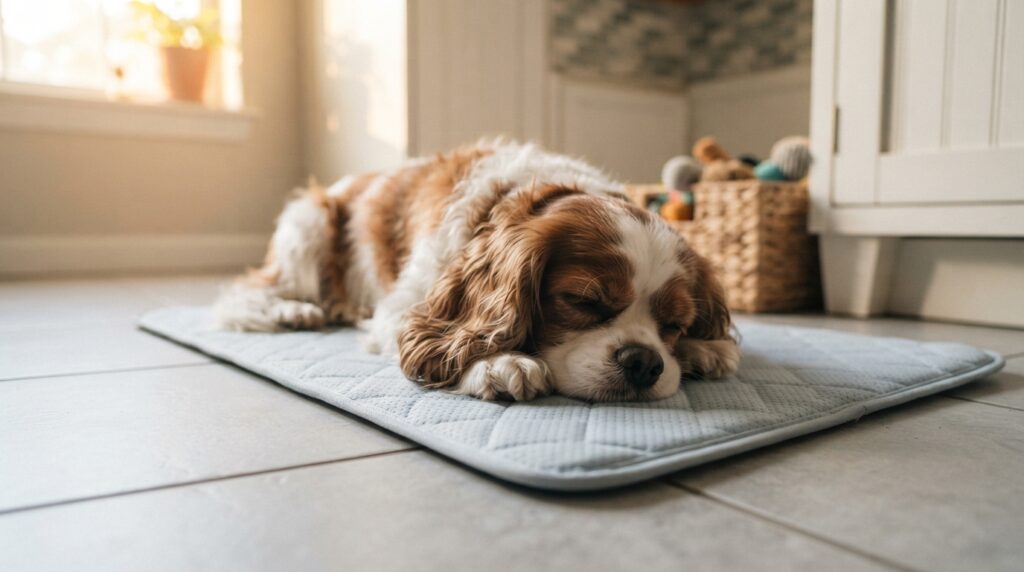
A dog that seeks tile or stone may prefer a floor-level cooling pad for dogs, because it offers direct contact with a cooler-feeling surface. A dog that likes to lie above the floor may settle more comfortably on an elevated cot.
A cooling mat is a practical example of the contact-surface approach. It gives a dog a floor-level place to rest, while the type of cooling mechanism depends on the mat itself.
Do cooling dog beds really work? They can offer a more comfortable resting surface, but the way they do so varies, and the room still matters. A breathable mesh bed can help air move around your dog; a self-cooling mat relies on contact with its surface rather than the airflow beneath a cot.
Moisture-wicking fabric may move moisture away from the surface, but that feature alone does not mean a bed will feel cool. Think about the whole construction, including padding, coverage, and whether the sleeping surface stays open around your dog.
Balance coolness with fit and support
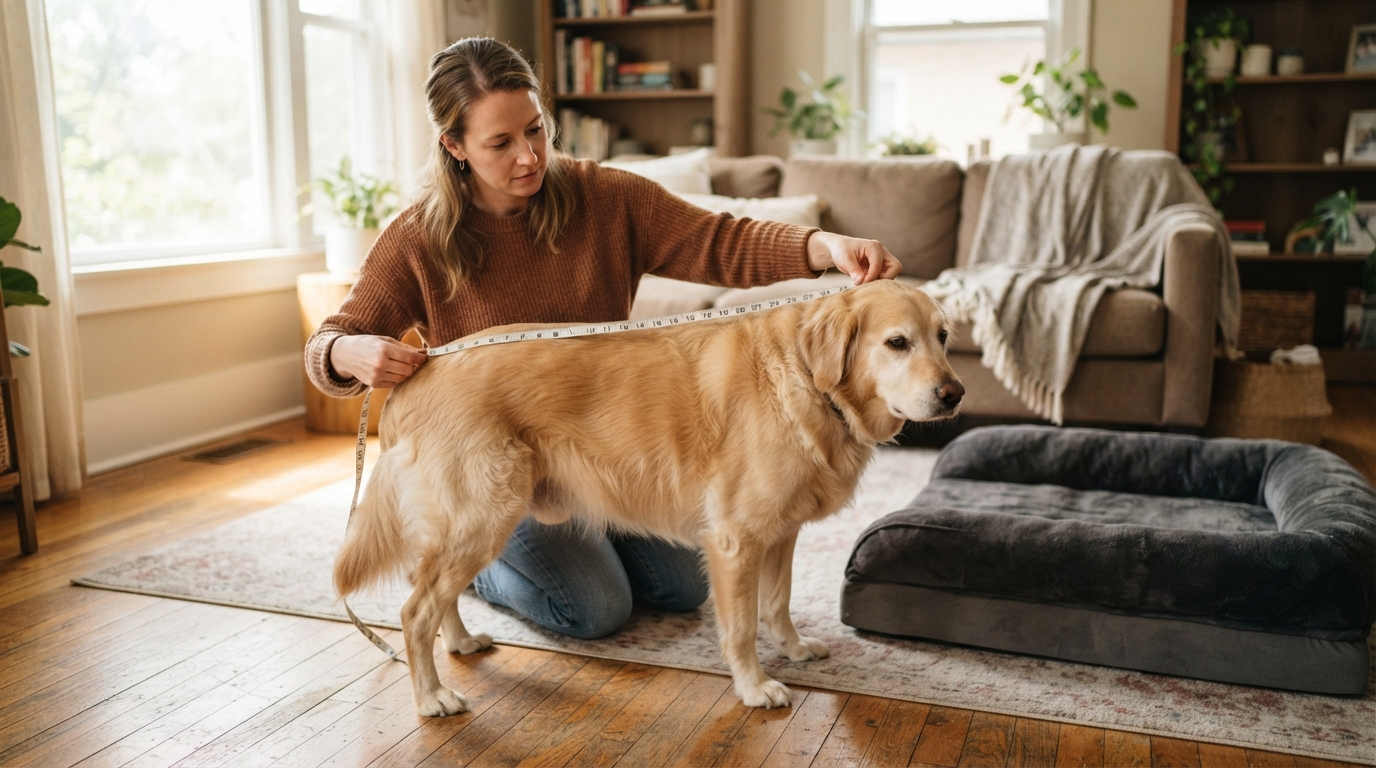
Choose the sleeping area for your dog’s usual position, not just the weight range on a size chart. If your dog sprawls, measure them while stretched out to choose the right bed size and allow room to turn and reposition without sliding off the edge.
Airflow should not come at the expense of support. A firm, breathable cot can work well for a dog that rests comfortably on a stable surface, while a dog that needs pressure relief may be more comfortable on a bed with cushioning or orthopedic support.
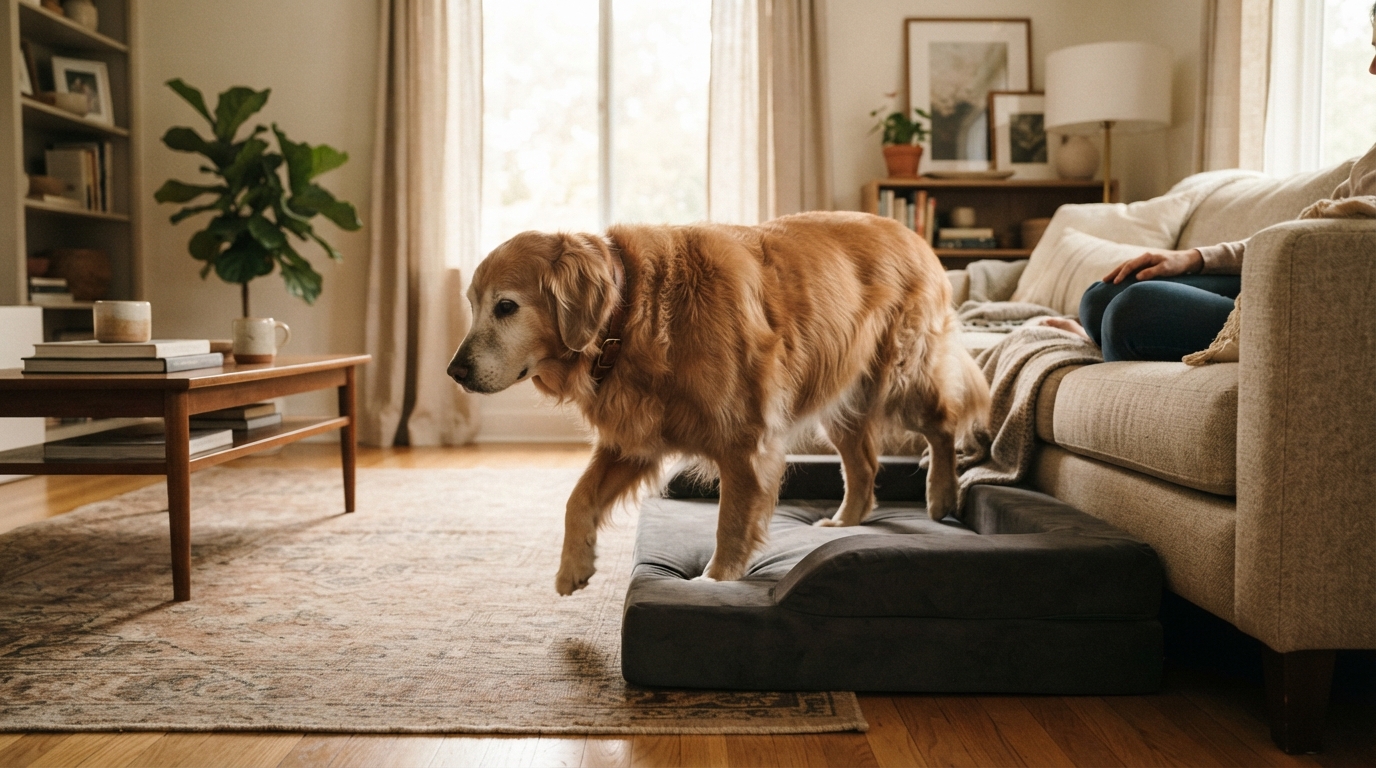
A very firm cot may not suit a dog that struggles to rise or has joint discomfort. For an older dog or one with limited mobility, weigh the airflow benefit against the frame’s height and how easily they can get on and off.
A low-entry, stable surface may be easier to access than a taller frame. If your dog has pain or mobility problems, bedding can support comfortable rest, but it does not replace veterinary guidance about those concerns.
Check whether the bed supports your dog evenly without sagging beneath their weight. A mesh sleeping surface that dips noticeably may leave the body unevenly supported, even if air can circulate well underneath it.
Before settling on a bed, check its usable sleeping area, entry height, and how the surface feels under your dog. A cot that fits the weight label but sags, or a mat that slides when your dog turns, is a poor fit.
Check durability, chewing, and everyday wear
For a dog that chews, avoid exposed edges, loose parts, or padding they can reach easily. Supervise use, and remove a damaged bed so your dog cannot swallow pieces of the surface or filling.
Chew-resistant construction and breathable construction are separate considerations. Choose a build suited to your dog’s activity and chewing habits and remember that a mesh or cooling surface may not withstand rough use.
On an elevated cot, look for a taut, evenly supported sleeping surface. Sagging mesh can reduce support and change how your dog rests, so check it regularly rather than waiting for the fabric to tear.
Inspect seams, fasteners, frames, and the sleeping surface for looseness, tears, rust, or sharp edges. Outdoor use can expose a bed to more dirt and weather, so examine it after bringing it back inside.
Small changes matter. A loose fastener or torn seam can become a larger problem with continued use, and damaged edges may create snag points or expose padding to a dog that likes to chew.
Plan for cleaning and where the bed will be used
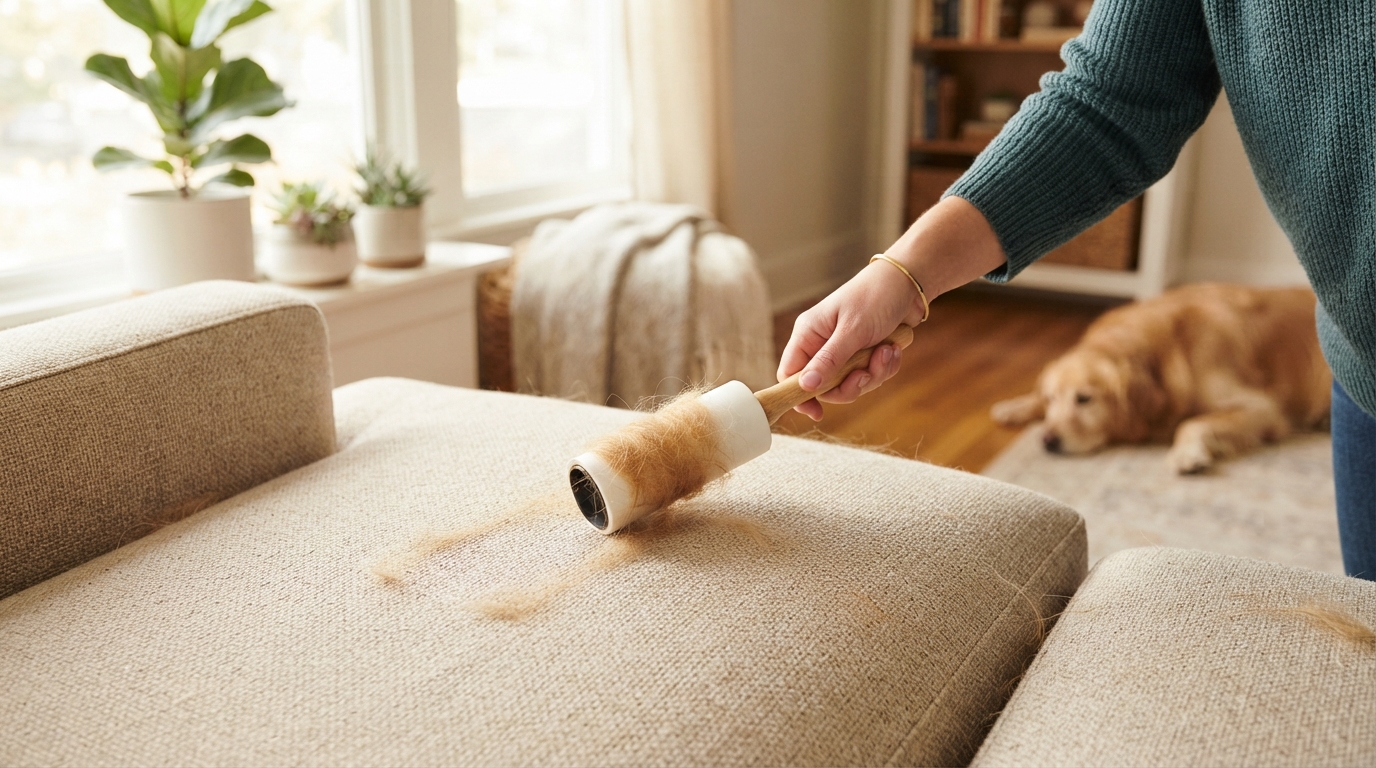
For routine cleaning, remove loose hair and debris first, then clean each component according to its material and care instructions. Dry every layer fully before putting the bed back together, because lingering moisture can encourage odours and microbial growth.
A removable cover can make washing easier, while an open mesh surface can make hair and debris more visible and accessible. Choose a care routine that fits your dog’s shedding and how often the bed gets dirty.
Use this bed washing and care checklist as a starting point, and separate the bed’s layers before cleaning so you can treat the cover, liner, and insert according to their individual materials. Reassemble only after each part is completely dry.
For easier deep cleaning, look for a removable cover that can be washed according to its label and an insert that can dry fully. Mesh cots are often straightforward to clean between washes: brush or vacuum off hair, wipe the frame and joints, and let everything dry. Foam inserts generally need spot-cleaning unless their care instructions allow washing; do not reassemble them damp. Wipe gel or water-filled mats rather than machine-washing them, and check seams for damage or leaks. The easiest option to keep clean depends on the bed’s construction and your dog’s messes.
For outdoor use, set the bed on level ground and keep it stable. Bring it under cover when weather or ground conditions could damage it, and remember that a breathable dog bed does not provide shade or make a hot environment cool.
For travel, consider how easily you can carry and set up the bed, and whether it gives your dog the same stable, comfortable surface they use at home. A familiar resting surface may help maintain a predictable place to settle in a new setting.
Indoor, outdoor, and portable beds serve different routines. Choose according to where your dog actually rests, how much exposure the bed will get, and whether you can keep it clean and dry.
Use the bed as one part of heat safety
A breathable or cooling bed can support comfort, but it cannot make an overheated room safe. Shade, fresh water, and a suitably cool environment remain essential parts of keeping your dog comfortable.
Humidity matters alongside temperature. The U.S. Department of Agriculture, Animal and Plant Health Inspection Service states that humidity over 70 percent, especially when combined with high temperatures, is a factor that increases a dog’s risk for temperature stress or illness.
Watch for unusual heavy panting, excessive drooling, weakness, confusion, vomiting, or collapse. If you suspect overheating, move your dog to a cooler area and seek urgent veterinary care rather than relying on a different bed to manage the problem. The cited mortality figure describes reported heatstroke cases, not the risk to a dog merely sleeping in a warm room or the likelihood for an individual dog.
A bed is a comfort choice, not treatment for heat illness. When symptoms suggest your dog may be overheating, prompt veterinary care matters more than changing the sleeping surface.
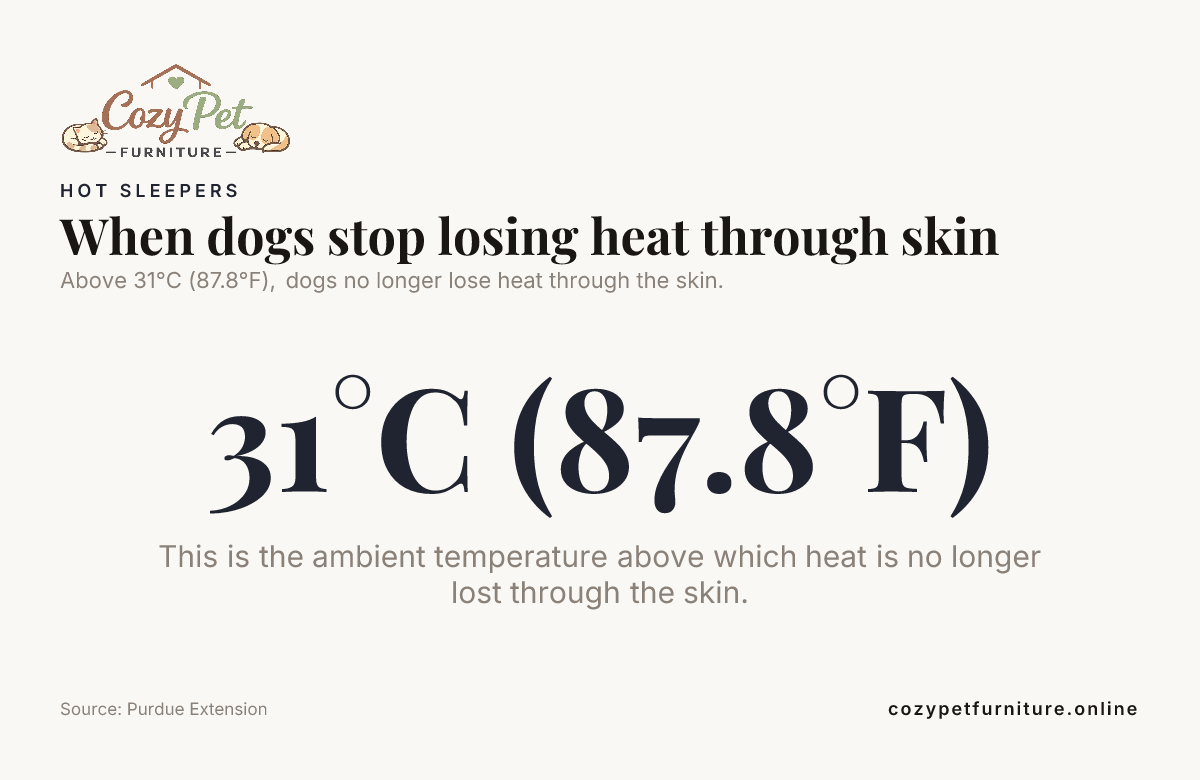
The USDA temperature figure is a housing requirement, not a universal safe-temperature cutoff. The Purdue skin-heat-loss figure is physiological context, not a room-temperature safety target. Humidity, airflow, shade, exertion, and a dog’s health also affect heat risk, so neither figure alone can establish that a space is safe.
Frequently Asked Questions
Can a dog use an elevated bed on cold nights?
Yes, if your dog is comfortable resting above the floor and the room stays suitable for them. You can add a blanket as a removable layer, so your dog can choose whether to lie on it or move to the uncovered surface.
How can I help a dog get used to an elevated cot?
Set it up in a familiar, quiet spot and let your dog investigate at their own pace. Reward calm approaches or brief rests with praise or a treat, and avoid lifting or forcing them onto the cot.
Can a cooling mat go inside a dog’s crate?
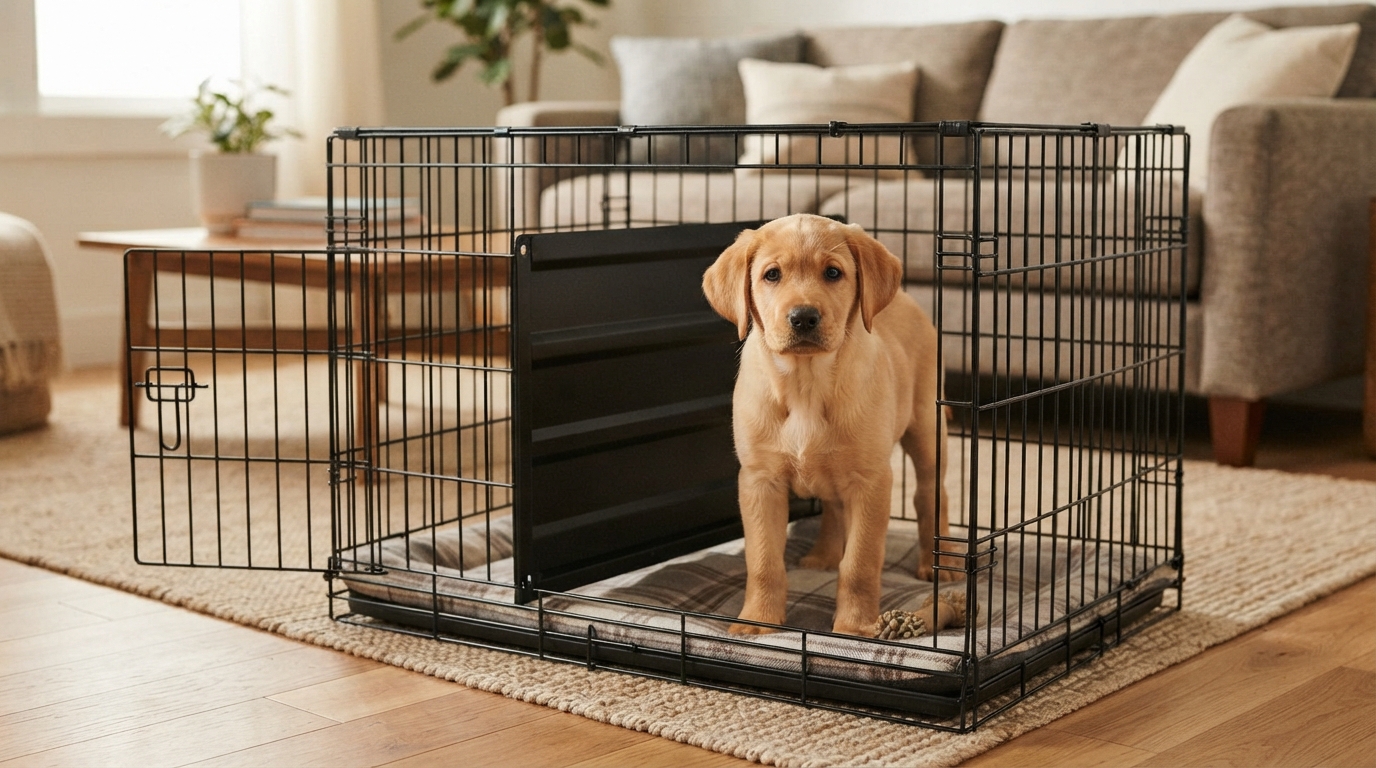
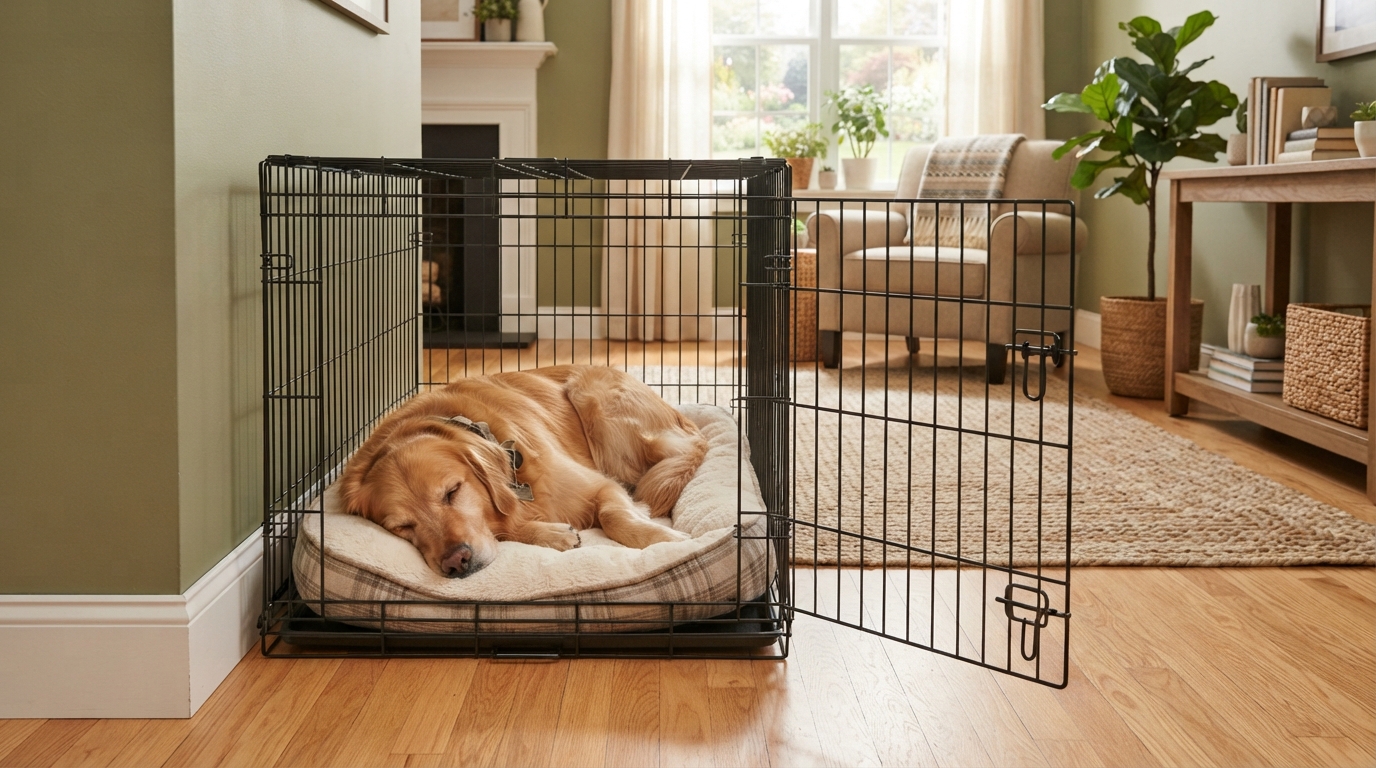
It can if it lies flat and leaves enough room for your dog to stand, turn, and lie down naturally. A mat that bunches or slides around can make the crate less comfortable to use.
Are cooling mats suitable for puppies that chew?
Use extra supervision with a puppy that mouths or chews bedding, since damage can expose material they may swallow. If the puppy keeps chewing the mat, remove it and offer a safer resting surface instead.
Conclusion
The best dog beds for hot sleepers are the ones that suit the dog’s habits, body, and environment. Choose an elevated, breathable surface when airflow is the priority and your dog rests comfortably on a firm cot; choose more cushioning or a floor-level cooling option when that better fits their support needs and preferences.
Pay attention to fit, stability, cleaning, and wear as well as temperature. Dog Beds for Hot Sleepers: When Breathability Matters Most is ultimately a question of matching airflow with comfort, while keeping heat safety separate from the bed itself.