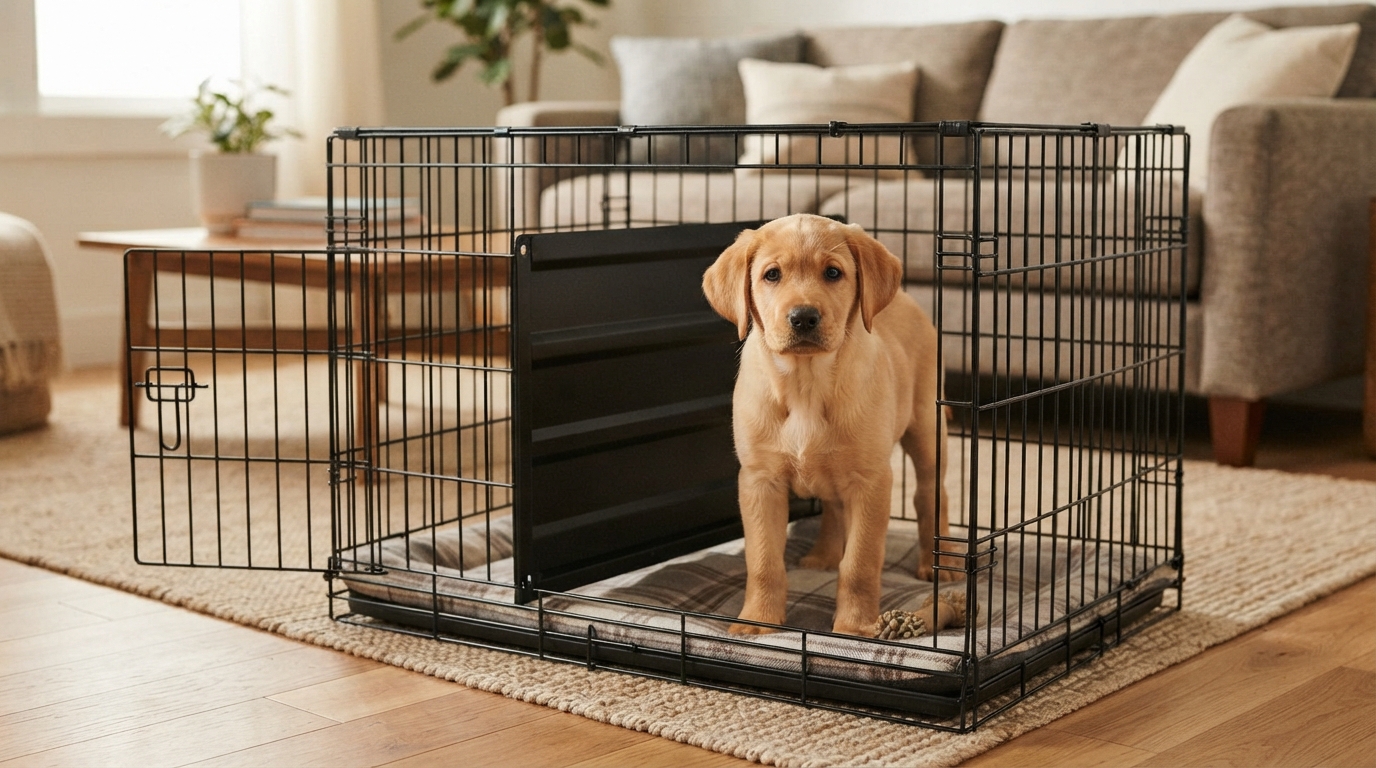
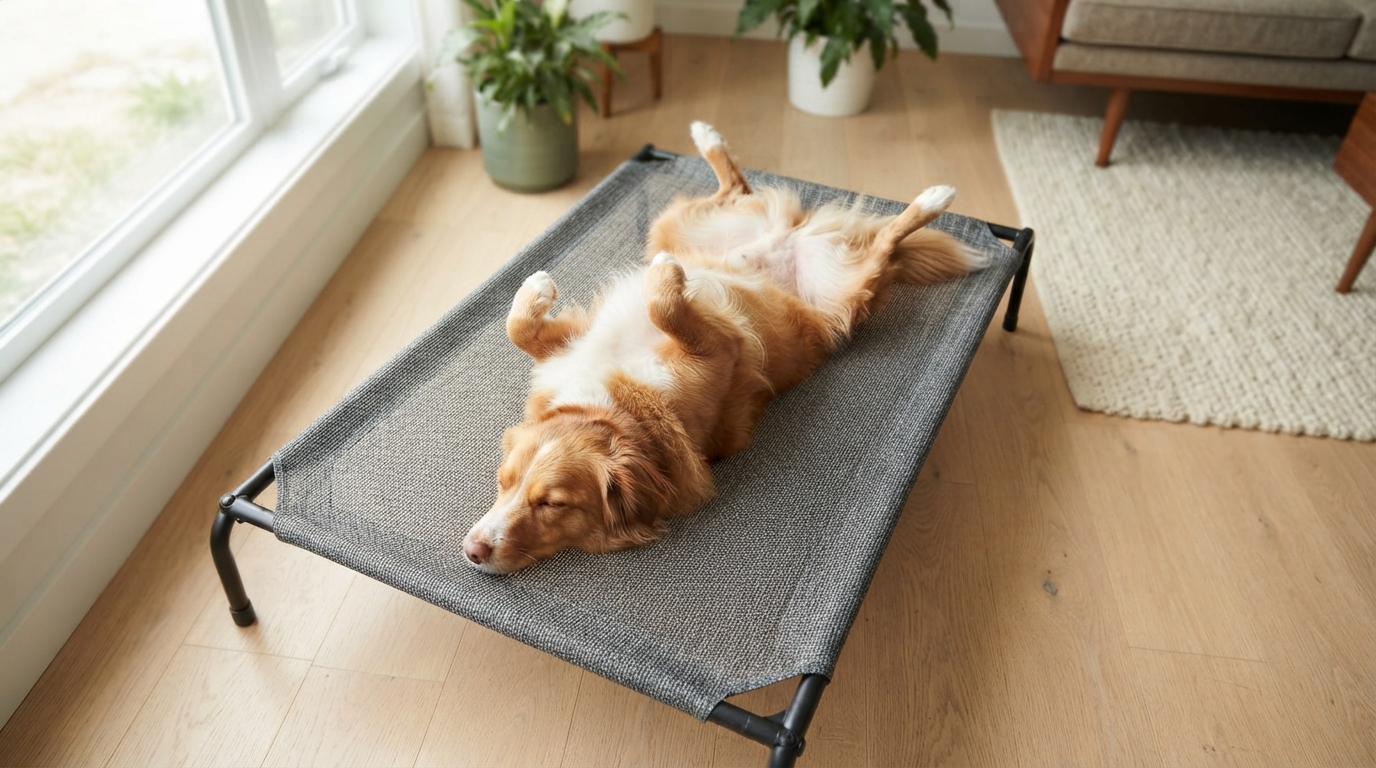
Clean a dog bed without guessing at one-size-fits-all wash instructions. This step-by-step checklist helps you identify every layer, remove loose debris, choose a cleaning method that suits the materials, and make sure the bed is dry before your dog settles back in.Explore Cozy Pet Furniture’s dog guides
Before you start: follow the bed’s care instructions
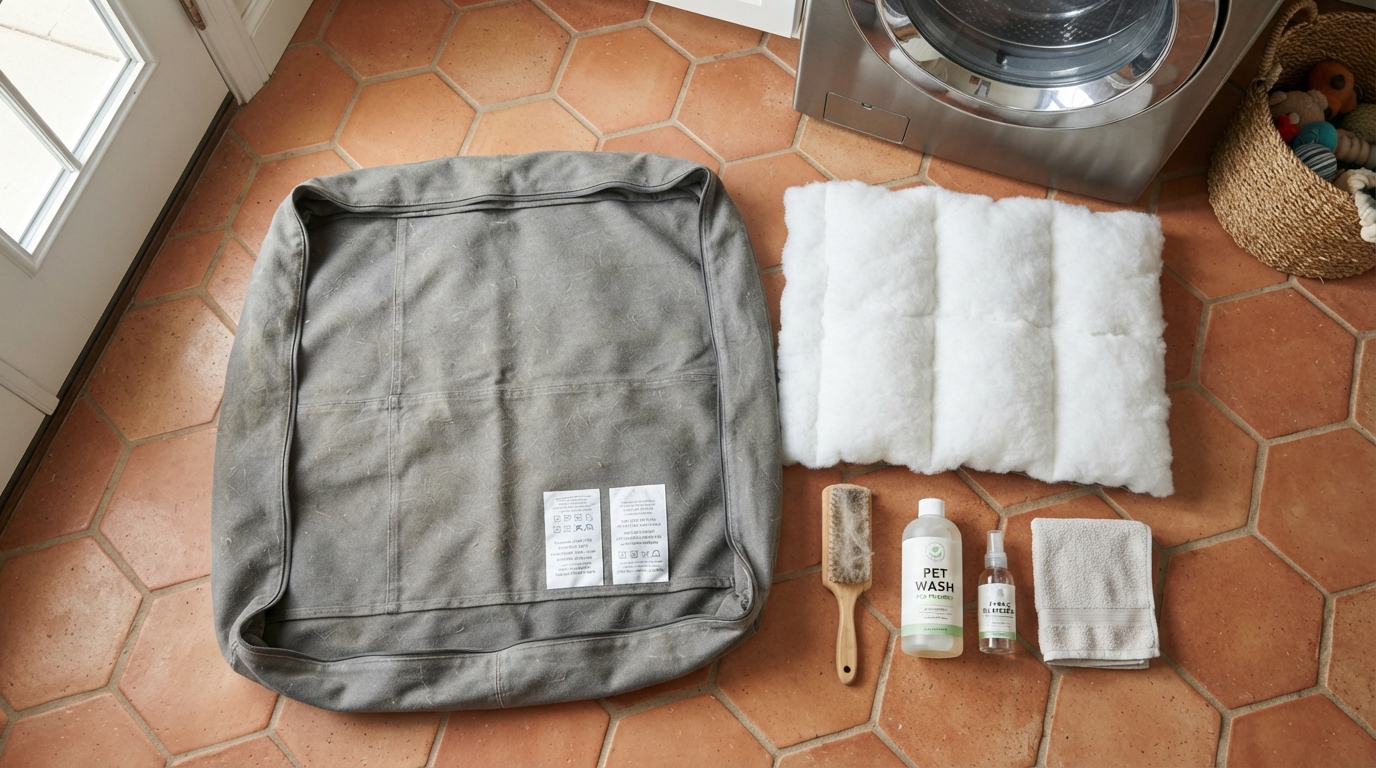
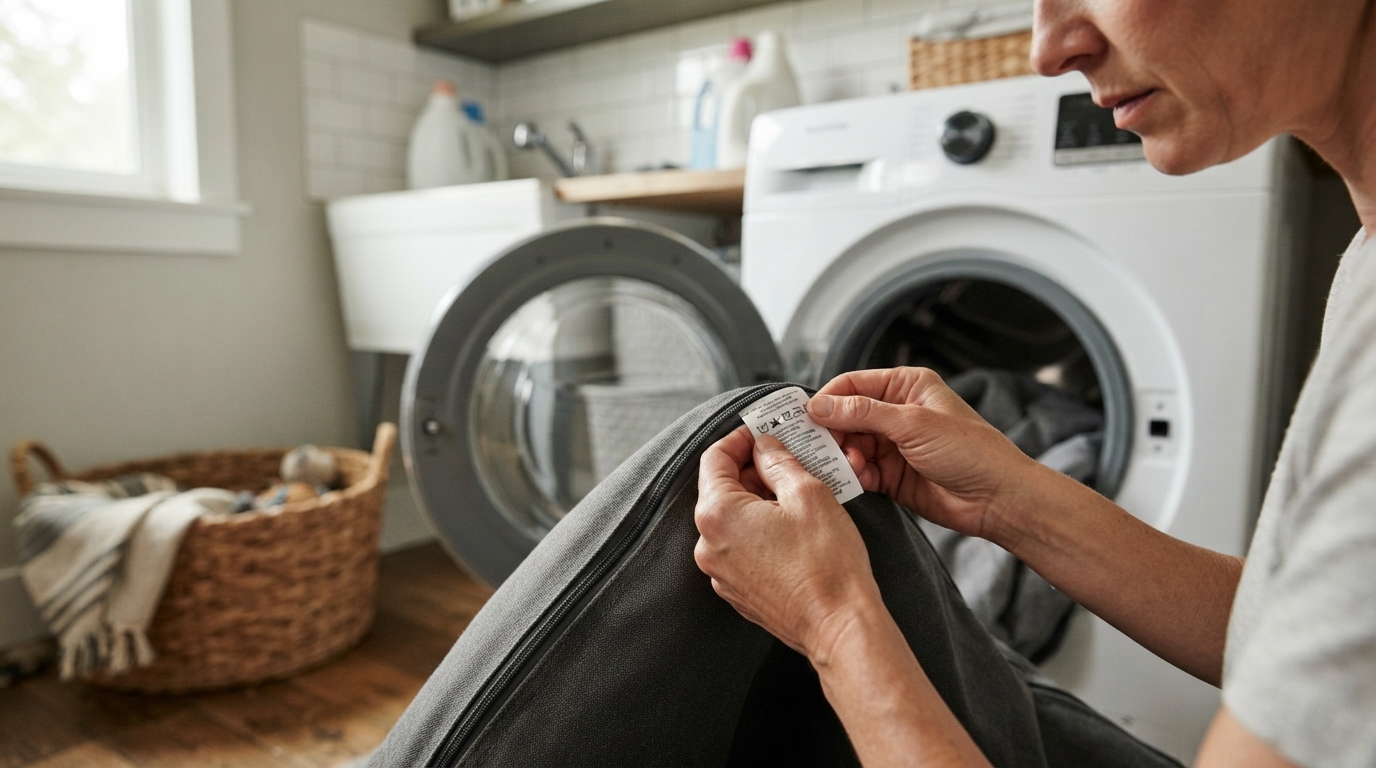
Dog beds can combine a removable cover, waterproof liner, inner shell, foam core, or fiberfill insert. Each layer may need different care. Use the manufacturer’s care label or care instructions to determine whether a removable part or the whole bed can go in the washing machine.
Print or save this checklist: Use your browser’s print option to print this page or save it as a PDF. Tick off each step as you go, and keep the bed’s care instructions nearby.
Stage 1: Map the bed’s layers
Set the bed on a clear surface and inspect its seams, closures, and labels before removing anything.
- Find the care label and read it first. Look for instructions for the cover and insert separately, including washing, spot cleaning, rinsing, and drying. If instructions differ by component, follow the guidance for each part.
- Identify the removable cover, liner, and insert. Unzip the cover gently and note whether there is a separate waterproof liner or inner shell around the filling. Don’t pull at glued seams or force a zipper that catches.
- Check how each layer is constructed. Note whether the dog bed insert is foam, memory foam, polyfill, or another material, and whether the cover or liner has a coating. Treat care for one layer as separate from care for another.
- Decide what can be washed and what needs spot cleaning. Follow the manufacturer’s instructions for each part. If the cover is washable but the foam core is not, clean those components by their respective methods rather than washing the entire bed.
Stage 2: Remove hair, dirt, and loose debris
Take the bed apart as directed, then clear away surface debris before applying water or cleaner. Starting with a clean surface helps keep loose hair and grit from spreading through a wash.
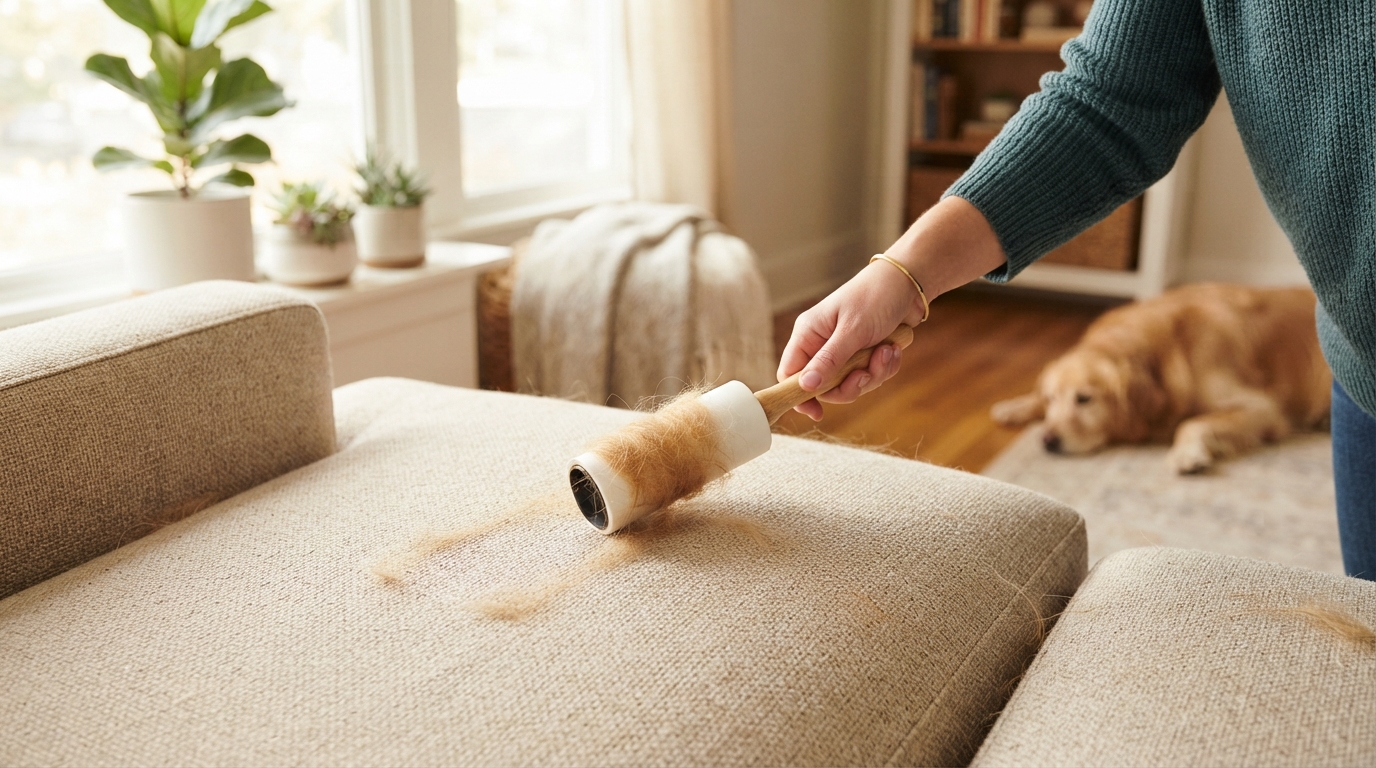
- Shake out or brush off loose material. Remove hair, crumbs, and dry dirt from the cover and insert using a method that won’t snag the fabric or damage the foam.
- Lift off dried mud and solids before cleaning. Let wet dirt dry enough to brush away, and blot fresh spills rather than rubbing them deeper into the material.
- Inspect seams, zippers, and the liner. Look for trapped hair or debris and check for damaged seams, loose stitching, or a compromised coating. Avoid rough brushing or scrubbing around delicate areas.

Stage 3: Match the cleaning method to each component
Use this as a quick decision guide alongside the care label. When instructions specify a particular method, temperature, or drying approach, follow them instead of applying a general rule to every bed.
| Bed component | Care decision | Take care to avoid |
|---|---|---|
| Removable fabric cover | Wash only if its instructions allow it. Follow the specified settings and detergent guidance; close the zipper only if the maker’s instructions permit. | Assuming the cover can handle any wash cycle, detergent, or dryer setting. |
| Waterproof liner or coated layer | Use the care method given for that layer. Some may require gentle spot cleaning rather than a full wash. | High heat, harsh scrubbing, or cleaners that could affect a delicate coating. |
| Foam or memory foam insert | Check its care instructions before using water. If washing isn’t permitted, use approved spot cleaning and avoid soaking the foam core. | Putting foam in a washing machine or trapping moisture inside it. |
| Polyfill or other insert | Wash only if the instructions allow it, and use the maker’s method for cleaning and drying. | Assuming all fill materials tolerate the same handling or drying. |
| Non-removable cover or whole bed | Follow the instructions for the assembled bed and spot-clean only where permitted. | Forcing a bulky bed into a washer or wetting the interior unnecessarily. |
Stage 4: Wash or spot-clean carefully
- For a washable removable cover, follow its exact instructions. Use the stated wash and rinse settings, water temperature, and drying method. If you’re considering an extra rinse, make sure the care instructions allow it.
- Check washer capacity before washing a bulky part. The item needs room to move and rinse; don’t cram it into the machine or create an unbalanced load. If it won’t fit comfortably, use another method only if the manufacturer permits it.
- Pre-treat stains only with a compatible product. Blot the area first and follow the cleaner’s directions as well as the bed’s material guidance. An enzyme cleaner may be an option for some organic stains, but use it only when suitable for that component.
- Spot-clean foam and non-removable covers without soaking them. Use the approved cleaner and the smallest amount of moisture that works. Apply gently, then remove cleaner residue as directed; do not saturate foam or push liquid into seams.
- Never combine cleaning products. Use one suitable product at a time, follow its label, and rinse away residue where the material’s instructions allow. This helps prevent product interactions and keeps cleaner from remaining on a surface your dog uses.
For a pet-safe detergent or stain remover, check that it is suitable for the bed material and follow its own directions. “Pet-safe” does not replace the care instructions for the fabric, foam, or waterproof coating.
Stage 5: Dry every layer fully before reassembly
- Use only an approved drying method. Air drying is a good choice when the instructions call for it. Avoid high heat or rough handling unless the manufacturer says the material can take it.
- Give foam and thick inserts extra attention. Let them dry as directed, with enough airflow to reach all sides. Don’t put the cover back on while the center, seams, or inner layers still feel damp.
- Check the whole bed before putting it back together. Feel the middle of the insert, the seams, and any layered areas for coolness or moisture. If any part remains damp, continue drying rather than covering it.
- Reassemble gently once every layer is dry. Return the liner and insert in their original positions, close the zipper without forcing it, and smooth the cover so the filling sits evenly.
Stage 6: Keep the bed fresher between washes
There isn’t one cleaning interval that suits every dog bed. Set a routine around your dog’s shedding, outdoor dirt, spills, and the bed’s care instructions. Remove loose hair and debris between deeper cleans, and spot-clean fresh marks using a method suitable for the material.
For odor removal, start by finding the affected layer rather than masking the smell with fragrance. Clean only as directed, rinse away residue where appropriate, and allow every part to dry fully before use.
Need help choosing a bed that suits your dog?
Cozy Pet Furniture’s guides compare dog beds by shape, material, size, age, and comfort needs—useful context when you’re caring for a bed or considering a different style.Browse dog bed and furniture buying guides
Why use Cozy Pet Furniture’s guidance?
Cozy Pet Furniture publishes practical recommendations to help pet owners choose furniture around an animal’s size, age, habits, and comfort needs. Its dog guides cover furniture for dogs of every size, including bed shapes and materials, orthopedic and cooling beds, crates, and when a bed may need replacing.
This checklist keeps cleaning decisions tied to the product’s own care instructions rather than prescribing one wash cycle for every bed. Explore more dog furniture guides or ideas for a comfortable, pet-friendly home.

Dog bed washing and care FAQs
How do I wash a removable dog bed cover without damaging it?
Read the cover’s care label and follow its wash, rinse, and drying directions. Separate it from the insert and liner, and use only the cycle and heat setting specified in the instructions. How should I clean a foam insert that cannot go in the washing machine?
Use the insert’s approved spot-cleaning method and avoid soaking the foam. Remove cleaner residue as directed, then dry it thoroughly, checking the center and seams for moisture before reassembly. Can I wash an entire dog bed, or should I wash only the cover?
That depends on the construction and the manufacturer’s instructions. Wash only the parts approved for washing; a removable cover may be washable while its liner or foam insert needs separate care. How can I remove urine, mud, or other stains from a dog bed?
Remove solids and blot fresh moisture before treating the stain. Use a cleaner only if it is suitable for that material, follow its directions, and never combine cleaning products; avoid soaking foam or coated layers. How do I clean a dog bed with a non-removable cover?
Use only a spot-cleaning method approved for the assembled bed, and keep moisture from reaching the filling. How can I tell when a dog bed is completely dry?
Check the outer cover, seams, and the center of each insert by touch. If any area feels damp or cool compared with the rest, keep drying it before reassembling the bed. How often should I wash the cover and clean the insert?
Follow the bed’s care instructions and set a routine based on shedding, dirt, spills, and odors. Remove loose hair between washes and spot-clean marks promptly with a method approved for the material.
Make dog bed care part of a more comfortable home
Use the checklist whenever the bed needs attention, and explore Cozy Pet Furniture’s practical guides for choosing beds, crates, and other furniture around your dog’s needs.Explore dog beds and furniture guides