A well-planned outdoor cat shelter needs more than insulation: its location, dimensions, bedding, and weather protection all affect whether it stays dry and feels safe to use. This guide includes a shelter-location checklist and a sizing worksheet for the house and entrance, so you can plan the setup around the cat and the site.
Key Takeaways
- Choose the design for the site. A covered porch can suit a simpler insulated box, while an exposed yard calls for a weather-resistant roof, protected seams, and a raised base. Find more build inspiration in our DIY ideas.
- Check the location before setting the shelter down. Look for wind protection, good drainage, safe access, and a clear route in and out. Our cat guides offer more practical advice for cat-friendly spaces.
- Size the shelter for the cat, not for extra empty space. Measure the cat’s resting posture, the interior, the entrance, and any escape exit before cutting materials.
- Keep insulation and bedding dry. Use protected insulation, and choose bedding based on how exposed the shelter is to rain and snow.
- Raise and secure the structure. A stable base helps prevent ground moisture, shifting, and tipping.
- Heat only when the setup supports it safely. A dry, insulated shelter with straw may be the better choice when you cannot protect power cords and connections.
- Inspect regularly. Check for dampness, blocked openings, structural damage, and wear on any heating equipment.
Choose a shelter design for the space and weather
The best outdoor cat shelter design depends on how exposed its location is. For a porch or another reliably covered spot, a sturdy insulated box may be simpler to keep dry; in an exposed yard, prioritize a weather-resistant roof, sealed seams, and a raised base.
Use durable exterior materials such as sealed plywood or weather-resistant plastic. Keep insulation inside the walls, floor, and roof, behind a durable surface, so cats cannot chew or scratch it; exposed fiberglass and foam can be unsafe and may be damaged.
Shape the roof to shed rain and snow, and add an overhang to help keep precipitation away from the entrance. A second exit can give a cat another way out, but it also creates another opening to protect from rain and drafts.
When planning a DIY feral cat shelter, consider who will assemble and maintain it as well as the weather it must handle. A simpler build can be easier to inspect and repair, while an exposed site usually needs more attention to the roof, seams, and base.
Use this checklist to choose a safe location
A good shelter placement reduces exposure to wind and water while allowing cats and caretakers to approach safely. Before placing the house, walk around the area and check each point:
- Wind: Notice which direction the wind reaches the site from, then orient the entrance away from prevailing winds.
- Overhead cover: Look for a porch roof or eaves that can reduce rain and snow exposure.
- Drainage: Choose naturally well-drained ground away from puddles, downspouts, and runoff.
- Base: Make sure the spot can accommodate a stable raised platform or blocks, rather than placing the shelter directly on wet ground.
- Traffic and approach: Keep the shelter away from vehicle traffic and places where dogs or predators could approach unseen, while leaving cats a clear path in and out.
- Caretaker access: Leave enough room to reach the shelter safely for cleaning and inspection.
- Clear openings: Check that snow, leaves, stored objects, or seasonal growth will not block the entrance or an exit.
Recheck the location when the weather or surroundings change. A spot that drains well in dry weather may collect runoff during a storm, and a clear entrance can become blocked by drifting snow or fallen leaves.
Fill in a sizing worksheet for the house and entrance
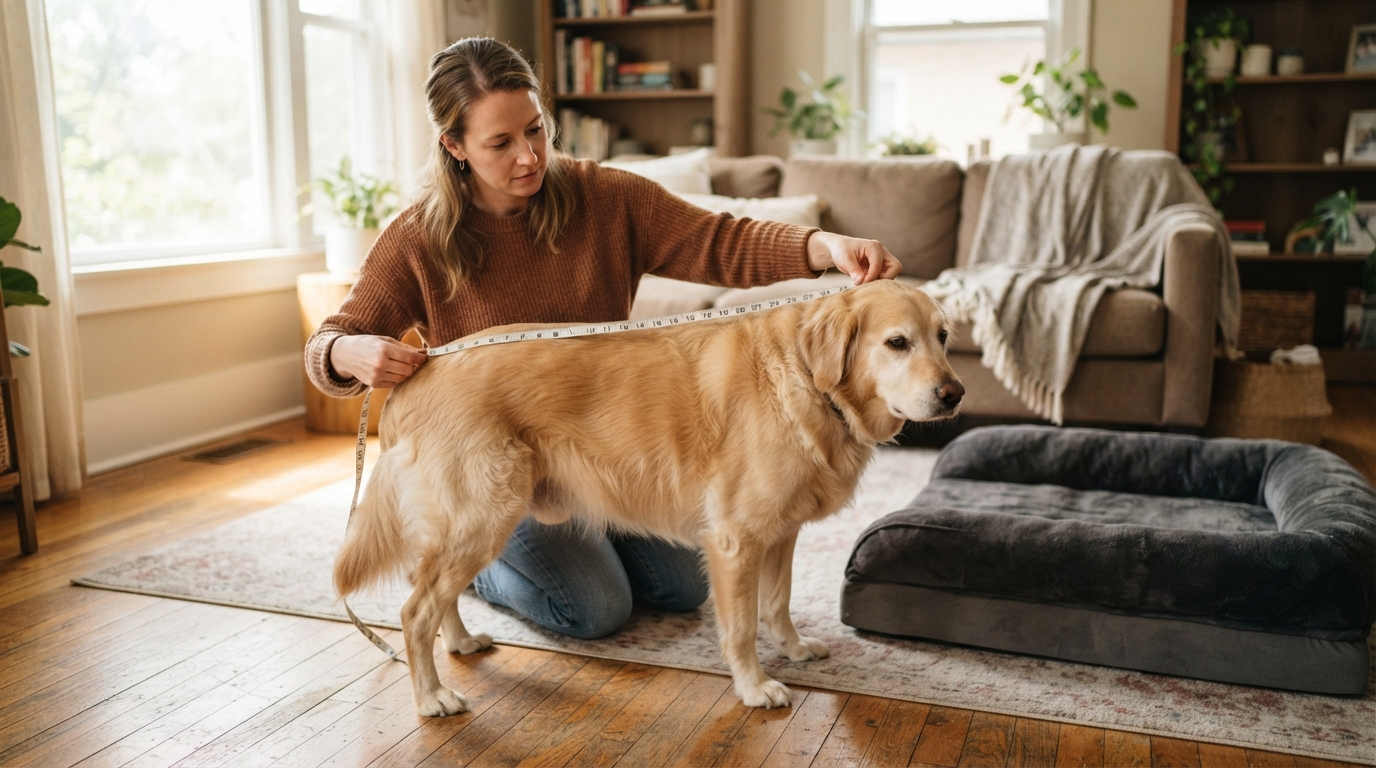
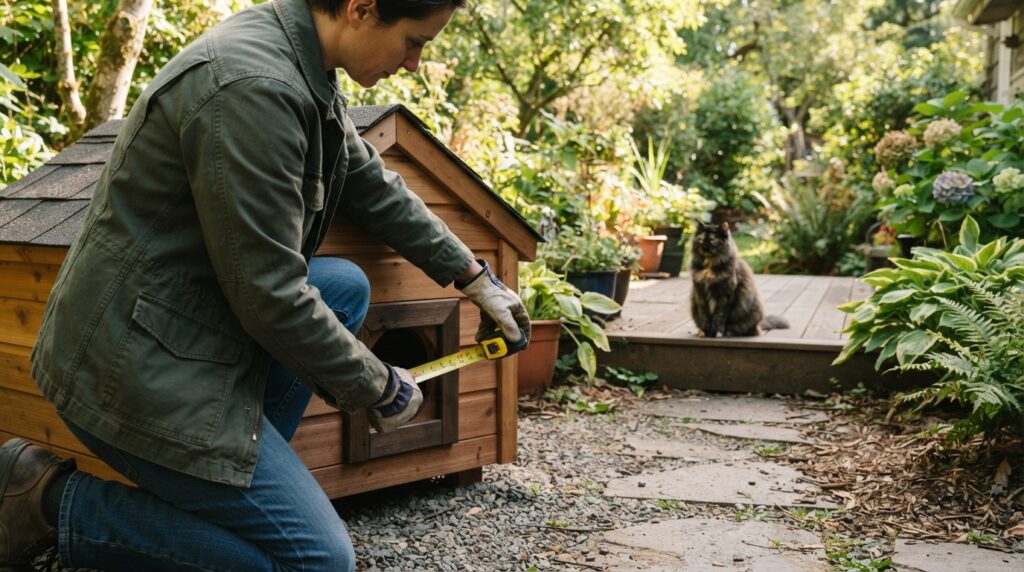
A shelter should give a cat enough room to lie down and turn around without leaving a large, difficult-to-warm interior. Measure the cat curled in its usual resting posture, then use those measurements to plan the floor space and interior height.
Record the measurements before you build. The Pet Furniture Fit Kit printable measuring and sizing worksheets can help keep the figures organized as you plan.
| What to measure | Write it down | What to check |
|---|---|---|
| Cat curled in resting posture | Length: ______ Width: ______ | Allow enough floor space to lie down and turn around. |
| Cat standing naturally | Shoulder width: ______ Height: ______ | Use these measurements to plan an entrance that permits easy access without making the opening unnecessarily large. |
| Shelter interior | Length: ______ Width: ______ Height: ______ | Check that the cat can enter, turn, and settle in the sleeping area. |
| Main entrance | Width: ______ Height: ______ | Many adult-cat shelters use an opening around 5–6 inches wide, adjusted for the cat. |
| Optional escape exit | Width: ______ Height: ______ Position: ______ | Plan the exit opposite or offset from the main entrance, and consider how to protect both openings from wind and water. |
Use the worksheet to check both comfort and warmth. A compact interior usually retains body heat better than an oversized room, but it still needs to let the cat move into a resting position without pressing against the entrance or walls.
Set the entrance size for the individual cat rather than relying on a standard opening. An entrance that is too small can make access difficult, while an oversized opening can make it harder to limit drafts and retain warmth.

Keep insulation and bedding dry
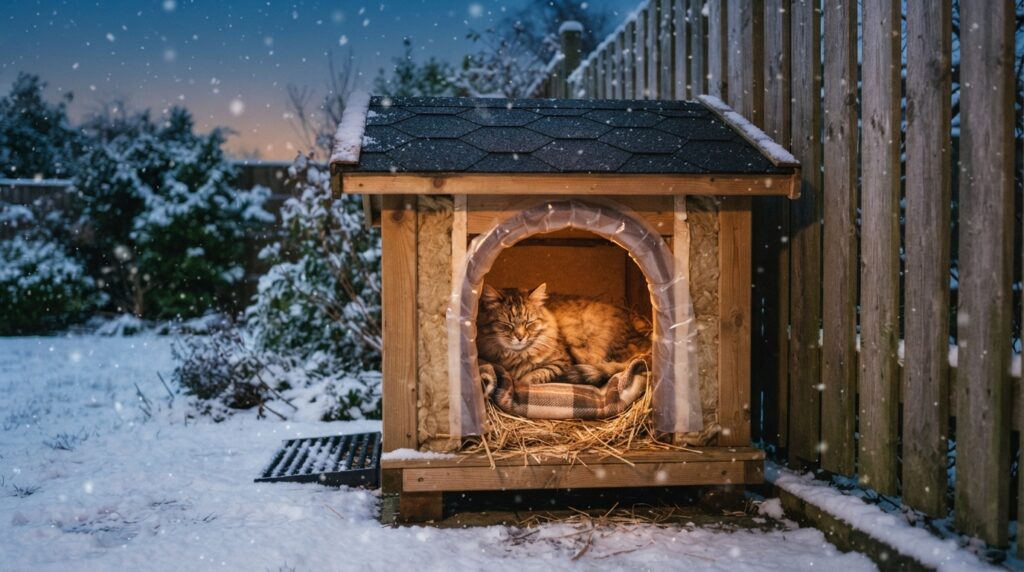
Place moisture-resistant insulation in the walls, floor, and roof, and cover it with a durable interior surface. Damp insulation loses effectiveness and can be difficult to dry in place, so the roof, seams, and raised floor all help protect it.
For a shelter exposed to weather, use clean, dry straw. It repels moisture better than hay and lets cats burrow; replace it when it becomes wet, dirty, or compacted.
Fleece or blankets can be comfortable in a reliably dry, covered shelter and are washable. In an exposed shelter, absorbent fabric can hold moisture and chill the cat, so use bedding suited to the conditions rather than choosing it for softness alone.
Keep the bedding loose enough for a cat to nest in, and leave room around the entrance. Tightly packed bedding can be harder to arrange, and bedding that shifts over an opening can obstruct access.
Raise, secure, and weatherproof the structure
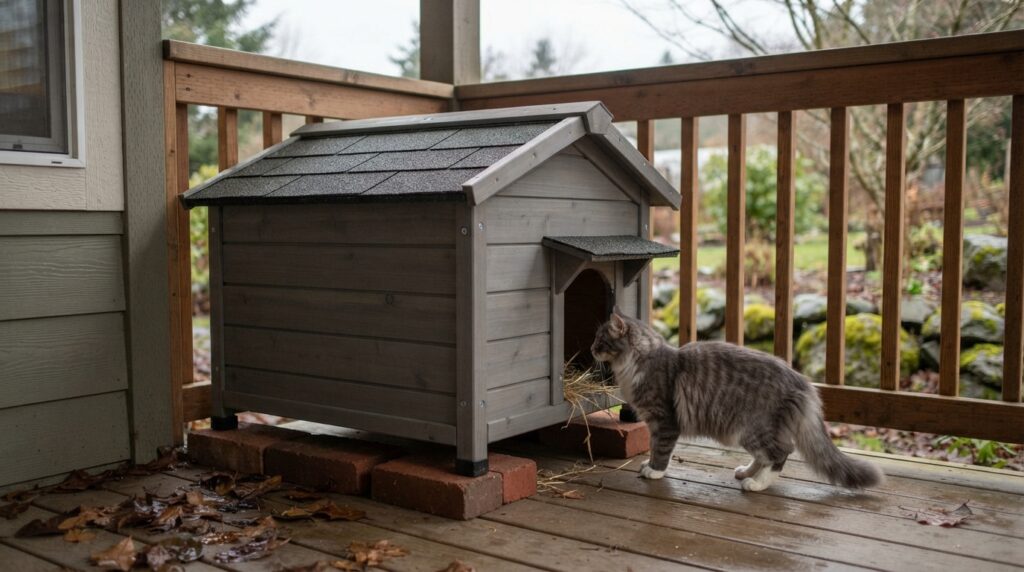
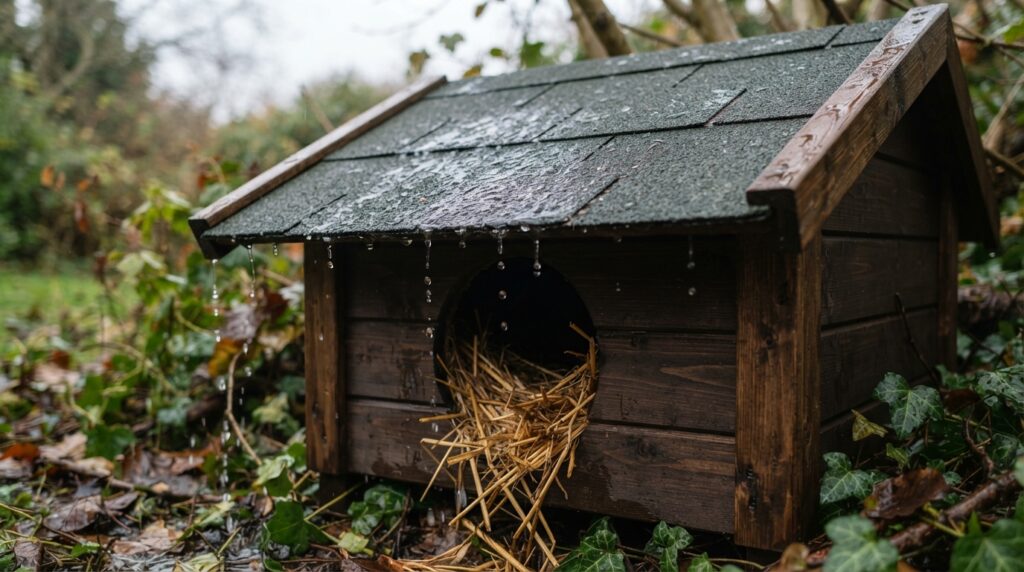
Set the house on a stable raised platform or blocks to separate its floor from wet ground. Press the corners to check that the base does not rock; an uneven shelter can shift and become difficult or unsafe to enter.
Secure a lightweight shelter or add stable weight so wind cannot move or tip it. Place the weight where it cannot block the entrance or any escape exit, and check that it stays in place when the ground becomes wet or uneven.
Seal seams and protect the roof edge against water, but maintain enough ventilation to limit condensation. A shelter sealed so tightly that moist air cannot escape can accumulate dampness inside.
A short entrance tunnel, offset entry, or simple weather flap can help limit wind and rain, but only use one if cats can pass through easily. Watch the cat use the feature and make sure it does not catch, block, or discourage entry.
Choose heating carefully, or rely on insulation
A well-sized, dry, insulated shelter with straw bedding can be preferable when reliable outdoor power and safe cord protection are unavailable. The key is a setup that stays dry and remains usable through the conditions at the site.
If you choose a heated cat house or another heating device, use equipment designed for the intended outdoor pet use and follow its placement instructions. Keep the device away from wet bedding and standing water, and leave enough unheated floor space for the cat to move away from warmth.
Protect cords and electrical connections from water, chewing, abrasion, and traffic. Route cords where they cannot become a trip or entanglement hazard, and do not use improvised heat sources or household heating pads outdoors.
For more guidance on comparing heating and other pet products, browse our buying guides. Heated cat houses for outdoor cats suit only setups where the device, power source, and cord route can be kept safe and dry.
Inspect the shelter on a regular schedule
Check the shelter during routine visits and after severe weather. Look for moisture on the floor or walls, leaks, condensation, and bedding that has become wet, dirty, or compacted; dry the structure and replace bedding as needed.
- Clear snow, leaves, and debris from every opening.
- Check that an entrance flap or tunnel still moves freely.
- Look for shifting, tipping, sharp edges, loose panels, or roof damage.
- Notice signs that a predator or another animal has disturbed the shelter.
- If the shelter is heated, inspect the device, cord, and connections for wear or water exposure.
Stop using damaged heating equipment and correct the hazard before restoring heat. A recurring shelter inspection helps catch small problems before damp bedding, blocked access, or a loose panel makes the house unusable.
Frequently Asked Questions
How can I encourage a wary community cat to try a new shelter?
Give the cat time to investigate without standing over the entrance or trying to place it inside. Keep the shelter in a quiet, consistent spot, and let the cat approach at its own pace.
Should food and water go inside the sleeping shelter or nearby?
Keep food and water outside the sleeping area so spills do not wet bedding or make the resting space less comfortable. Place them nearby but apart from the entrance, where bowls will not obstruct the cat’s route.
Can two or more cats share one outdoor shelter?
Some cats choose to rest together, while others avoid sharing enclosed spaces. If several community cats use the area, providing more than one shelter gives them room to avoid conflict and choose separate sleeping spots.
What should I do if a cat avoids a shelter after I add a flap or tunnel?
Remove the new feature and let the cat use the shelter in its simpler form. Once the cat is entering comfortably, try reintroducing the flap or tunnel gradually and watch whether it changes the cat’s approach.
What should I change for kittens or an older cat?
Pay particular attention to the entrance height and the route to the shelter, since a high threshold or awkward approach can make entry harder for a small kitten or a cat with limited mobility. Keep the floor and bedding settled so the cat can reach its resting place without climbing over loose material.
Can I leave an outdoor heated cat house connected overnight?
Use an outdoor-rated, GFCI-protected power source, and route the cord so people, vehicles, and animals cannot damage or snag it. If the outlet or wiring is damaged, wet, or unreliable, stop using the heater until the electrical hazard is corrected.
What is the best heated house for feral cats?
The best choice is an outdoor-designed heated shelter that can be kept dry and stable, with protected wiring and enough unheated floor space for the cat to move away from the warmth. A dry, insulated shelter with straw may be safer when you cannot protect the power source and cords.
Conclusion
A safe outdoor cat shelter starts with a location that stays dry, a structure that suits its exposure, and an interior sized for the cat’s resting space. Use the shelter-location checklist and sizing worksheet to plan the house, entrance, and optional escape exit before building or placing it.
Keep insulation and bedding dry, raise and secure the structure, and heat it only when you can protect the equipment and its connections. Regular checks help keep the weatherproof shelter accessible, comfortable, and ready for the cat that needs it.