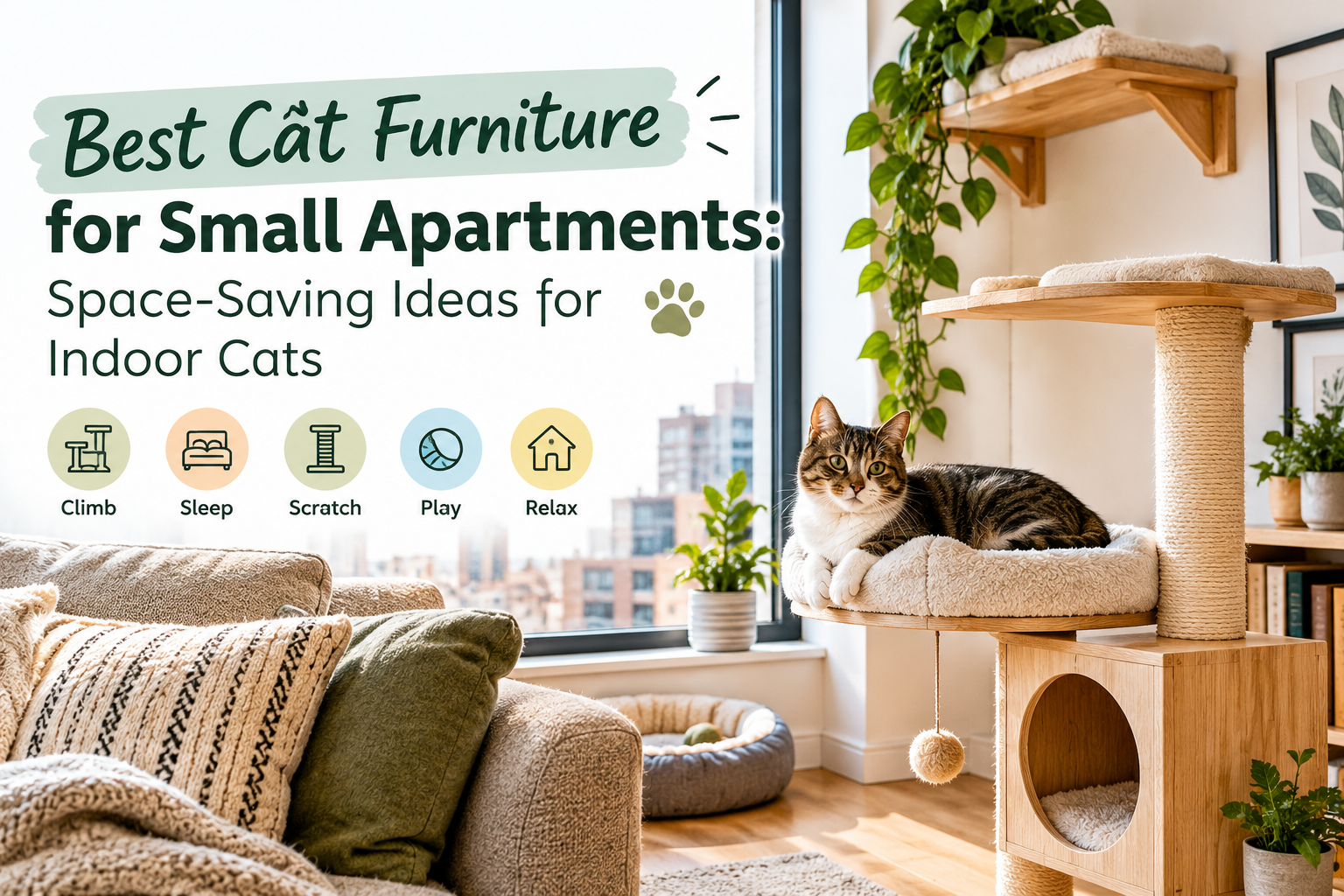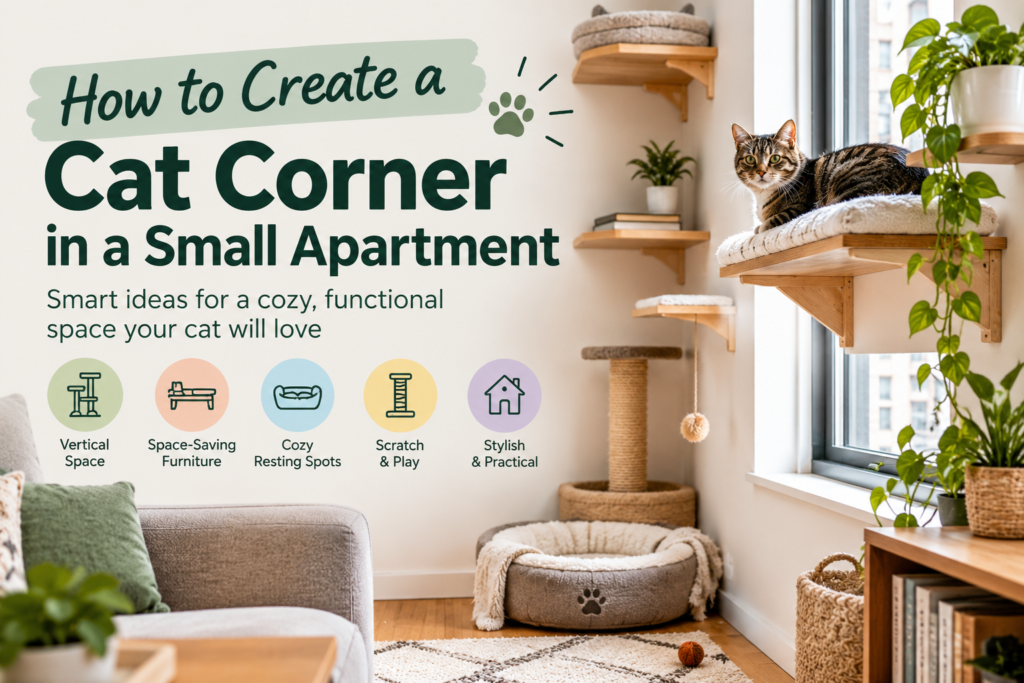
Creating a dedicated space for your cat in a compact home doesn’t require sacrificing your living room or doubling your square footage. Cats view space differently than humans do: while we prioritize floor area, indoor cats thrive on height, vertical territory, quiet retreats, and warm sunny patches.
By taking advantage of vertical walls, unused nooks, and multi-functional furniture, you can build an intentional cat area that keeps your feline companion mentally stimulated while blending seamlessly into your apartment’s aesthetic.
What Is a Cat Corner?
A cat corner is a designated area in your home that consolidates your cat’s primary needs—climbing, lounging, scratching, and playing—into a cohesive footprint.
Instead of scattering scratching posts, beds, and toys haphazardly across your living room, a cat corner organizes these elements into one intentional zone. For indoor cats, having a predictable, dedicated territory provides routine and reduces stress, especially in busier household environments.
Choose the Right Location
Selecting the right spot is the foundation of a successful apartment setup. Before drilling holes or buying furniture, evaluate your apartment’s layout against your cat’s natural instincts.
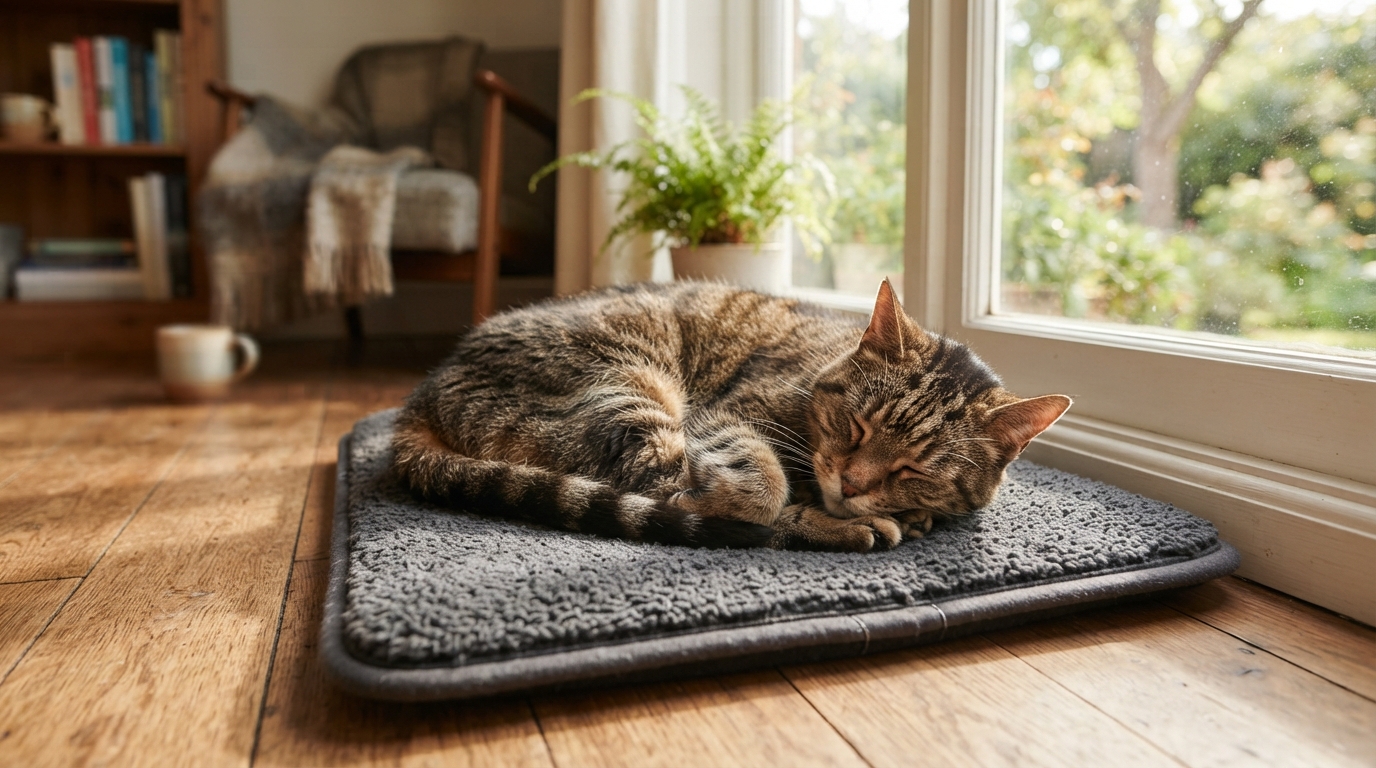
- Seek Out Natural Light: Cats spend hours basking in warm sunlight. Positioning your setup near a window gives your cat front-row seats to outside activity—often referred to as “cat TV.”
- Balance Visibility with Calm: Cats want to observe family life without feeling trapped in high-traffic pathways. A corner in the living room next to a sofa or an underutilized nook in a home office works remarkably well.
- Observe Sunlight and Drafts: Look for spots away from cold drafty exterior doors or noisy radiator units.
- Keep Food and Litter Separate: Never combine your cat’s lounge and play corner with their litter box or feeding station. Felines instinctually prefer sleeping and playing far away from where they eliminate.
Use Vertical Space
Floor space is precious in a small apartment, but vertical space is usually underutilized. Going vertical expands your cat’s territory upwards without taking up a single additional square foot of floor space.
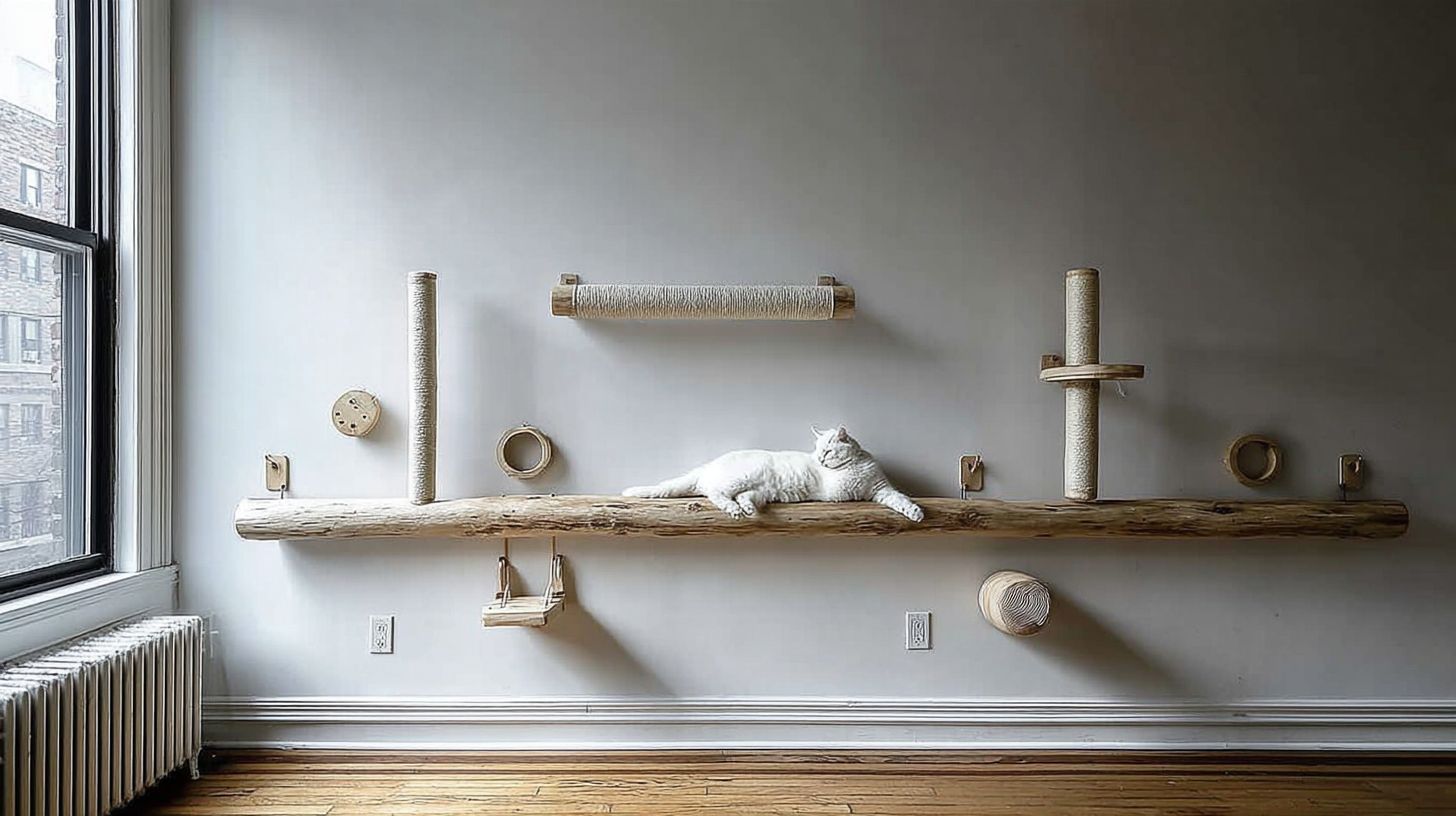
- Wall-Mounted Cat Shelves: Staggered shelves allow cats to climb smoothly from the arm of a sofa up to high wall perches.
- Floor-to-Ceiling Tension Posts: These spring-loaded posts take up less than 1.5 square feet of floor space while providing 8 to 9 feet of climbing height.
- Window Perches: Suction-cup or sill-mounted window seats convert empty window glass into comfortable lounging space.
If you are exploring narrow climbing options, read our complete guide on Best Cat Trees for Small Spaces for compact footprint recommendations.
Choose Compact Cat Furniture
In tight living spaces, bulky carpeted cat trees can make a room feel cramped and cluttered. Choosing streamlined small space cat furniture keeps your home feeling open and organized.
| Furniture Type | Ideal Footprint | Primary Benefit | Best For |
| Tension-Pole Cat Tree | Under 12″ x 16″ | High climbing reach with minimal floor footprint | Studios & narrow corners |
| Wall-Mounted Shelves | 0″ Floor Space | Completely frees up living room floor area | Apartments with sturdy walls |
| Window Hammock | 0″ Floor Space | Harnesses natural sunlight & outdoor views | Renters needing no-drill options |
| Dual-Purpose Storage Condo | 16″ x 16″ | Serves as an end table and cat hiding spot | Small living rooms |
Look for multi-functional designs, such as a side table that houses a cat bed beneath it or a bookshelf with an integrated scratching post.
Create a Comfortable Sleeping Area
Cats spend up to 16 hours a day sleeping, and they prefer having options depending on room temperature and their mood.
- Elevated Perches: Most cats feel safest sleeping up high where they can monitor their surroundings. A soft pad attached to a wall shelf or top cat tree platform satisfies this instinct.
- Enclosed Hiding Spots: Cozy cubbies or felt cat caves offer a sense of security when your cat wants total quiet.
- Machine-Washable Fabrics: Look for removable covers that can be washed easily to keep pet hair and dander under control.
Explore our top choices in our companion guide on the Best Cat Beds for Small Apartments.
Add a Scratching and Play Area
Scratching is an essential physical and behavioral need for cats—it stretches their muscles, marks territory, and sheds claw sheaths.
- Vertical Wall Scratchers: Mount sisal pads directly onto walls or door frames at your cat’s full stretch height.
- Slim Corner Scratchers: Choose narrow scratching posts that fit flush into unused corners.
- Concealed Toy Storage: Use a small fabric basket or storage ottoman to store wand toys, catnip mice, and balls when not in use.
Use Furniture That Blends Into Your Home
A cat corner should enhance your apartment’s interior, not look like an afterthought.
- Match Wood Tones and Color Palettes: Select light birch, walnut, or white finishes that match your existing furniture.
- Choose Modern Materials: Swap traditional carpeted trees for clean plywood, natural sisal, felt, or solid wood structures.
- Integrate Plants Carefully: Flank your cat corner with pet-safe indoor plants like Spider Plants, Areca Palms, or Boston Ferns to soften the visual transition.
For layout ideas across your entire home, check out our guide on Pet-Friendly Living Room Ideas.
Cat Corner Ideas for Different Small Apartments
Studio Apartments
Use a tall, narrow room divider or open bookshelf to separate your sleeping area from your living space. Mount cat steps along the side or back of the bookshelf to turn the divider into an interactive climbing zone.
One-Bedroom Apartments
Utilize the dead corner in your living room adjacent to a window. Pair an over-the-door climbing tower on a closet door with a window perch to maximize climbing routes without adding bulky furniture.
Small Living Rooms
Replace a traditional side table with a dual-purpose cat house table. Install two or three floating wall shelves above the table to extend the cat corner vertically above your existing furniture footprint.
Renters with Limited Wall Space or Drill Restrictions
Focus on tension-mounted floor-to-ceiling poles, suction-cup window hammocks, and free-standing slim furniture pieces that require no wall anchoring.
How to Make a Cat Corner Without Spending Much Money
Building a functional cat area does not require expensive designer furniture:
- Repurpose Existing Furniture: Clear off the top shelf of a sturdy bookcase and lay down a soft blanket to create an instant high perch.
- DIY Sisal Wraps: Wrap natural sisal rope tightly around the wooden legs of an existing table or desk to create built-in scratching posts.
- Upcycled Wooden Crates: Sand and paint wooden crates, then secure them together to build a modular cat condo with built-in storage.
Learn more budget hacks in our guide to DIY Cat Furniture Ideas for Small Spaces.
Common Mistakes to Avoid
- Overcrowding Floor Space: Buying too many ground-level beds and scratchers quickly creates physical clutter and tripping hazards.
- Unanchored Wall Furniture: Always use proper wall anchors and locate wall studs when installing climbing shelves. Follow all manufacturer weight specifications and mounting instructions carefully.
- Ignoring Your Cat’s Preferences: Observe whether your cat prefers high open perches or low enclosed caves before investing in expensive setups.
- Placing Near Noisy Appliances: Avoid putting a cat corner directly next to washing machines, loud speakers, or noisy air conditioners.
How Much Space Does a Cat Actually Need?
Indoor cats do not require large amounts of floor area to live happy, active lives. A dedicated footprint as small as 2 feet by 2 feet (2′ x 2′) can easily fulfill all of a cat’s daily climbing, scratching, and lounging needs—provided that space extends upward vertically.
By building vertically, a tiny corner effectively multiplies your cat’s usable territory fourfold without taking space away from your living area.
Frequently Asked Questions
Where is the best place to put a cat corner?
The best location is a quiet corner in a main living area near a window. This allows your cat to observe outdoor activity while staying close to family life without being in high-traffic walking paths.
How do I make a cat space in a small apartment without drilling holes?
Focus on tension-mounted floor-to-ceiling poles, window hammocks anchored with heavy-duty suction cups, over-the-door climbing towers, and multi-functional side tables.
Is vertical space important for indoor cats?
Yes. Vertical space gives indoor cats exercise, environmental enrichment, and a sense of security. Climbing satisfies natural territorial instincts and keeps cats mentally engaged.
How can I make a cat corner look nice?
Select cat furniture made from natural wood, felt, and neutral fabrics rather than bright carpeted materials. Match the wood tones to your existing apartment decor and keep toys organized in decorative baskets.
Can I put the cat corner near the litter box?
It is best to keep them separate. Cats naturally avoid sleeping, playing, or eating near the areas where they eliminate.
Final Thoughts
Creating a comfortable cat corner in a small apartment comes down to smart spatial planning. By prioritizing vertical territory, choosing multi-functional furniture, and keeping the design cohesive with your home, you can give your cat a rich, engaging environment without sacrificing your living space.
Start small: select one underutilized corner near a window, add a narrow vertical climbing element, and expand gradually as you see how your cat uses the space.