Dog Sofa Bed or Flat Bed: Which Shape Fits Your Sleeper? The answer depends on whether your dog curls up, stretches out, leans against an edge, or changes position often, as well as how easily they can get in and out of the bed.
Key Takeaways
| What you’re deciding | A useful starting point |
|---|---|
| What is the best shape for a dog bed? | Choose for your dog’s repeated sleeping habits, not just the bed’s appearance. |
| Do dogs prefer flat beds? | Some do, especially dogs that sprawl or move around often. Others make use of raised sides for head support or a place to lean. |
| Does a sofa bed leave room to stretch? | It can, if its interior sleeping area is long and wide enough after accounting for the bolsters. |
| What matters most for joint comfort? | Stable, weight-appropriate cushioning and an easy entry matter more than the bed’s outline. |
| How do you tell whether your dog uses the bolsters? | Watch whether your dog regularly leans against them or rests their head on an edge. |
| Can a dog use both shapes? | Yes. Separate resting surfaces can suit different rooms, temperatures, or moods. |
What a sofa bed offers that a flat bed does not
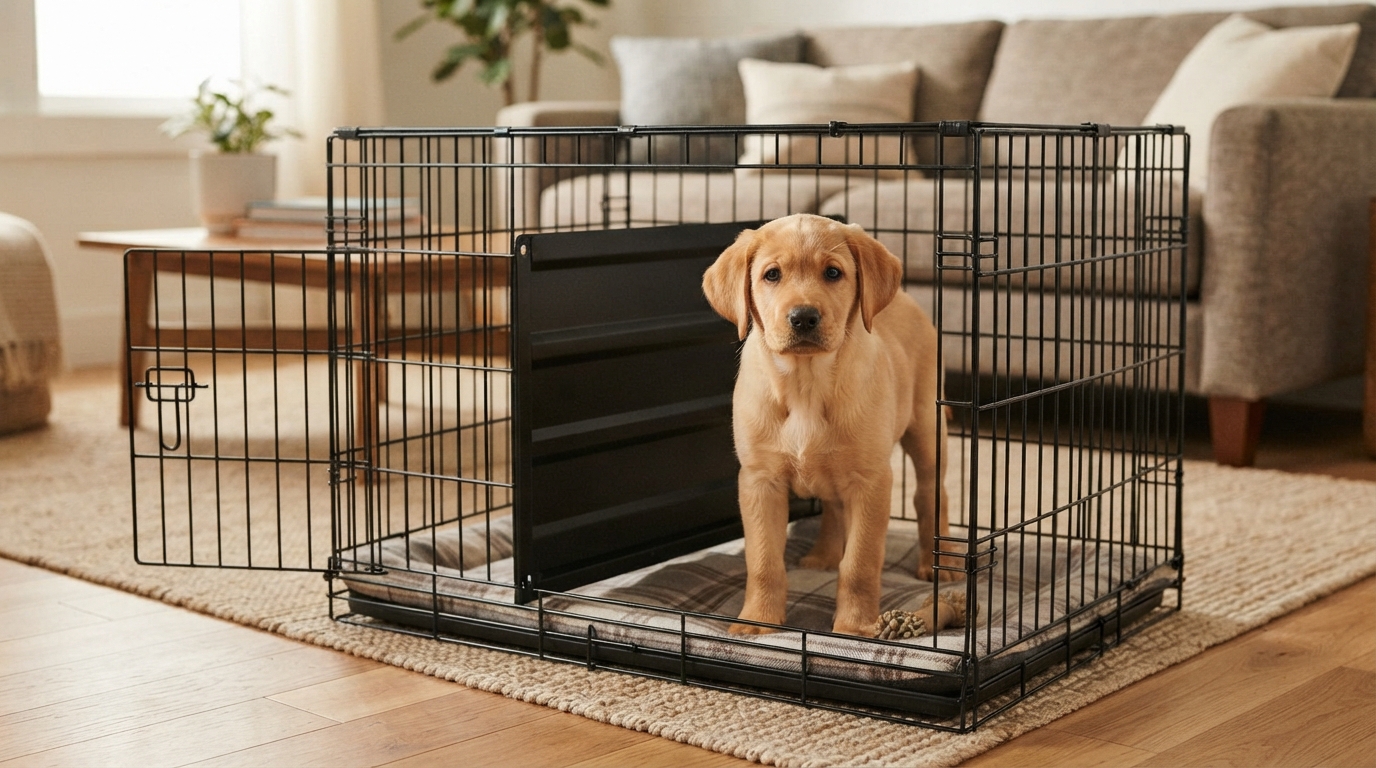
A dog sofa bed has a central sleeping area surrounded by raised, structured sides. Those bolsters give a dog something to lean against or rest their head on, but they also take up part of the bed’s footprint.
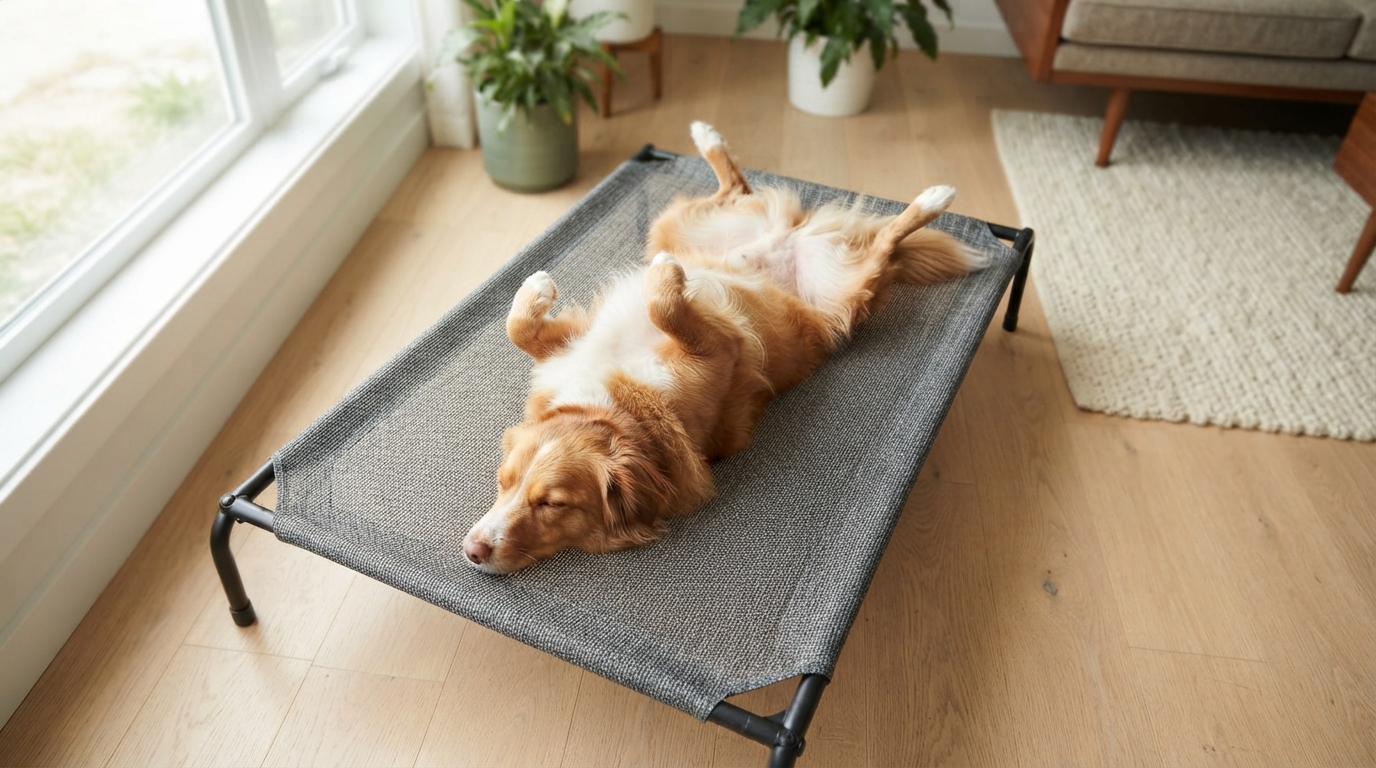
A flat dog bed has an open sleeping surface without built-in bolsters. Dogs can stretch out without sides crowding them and can approach from different directions, which can help if they change position often.
Neither outline guarantees comfort or support. A sofa bed still needs a stable sleeping surface beneath the dog, and a flat bed still needs suitable cushioning rather than a thin layer that bottoms out under their weight.
Shape and filling are separate choices: a bed can combine bolsters with foam, including memory foam. Our guide to memory foam or bolster dog beds explains what each feature changes at bedtime.
Match the shape to how your dog actually sleeps
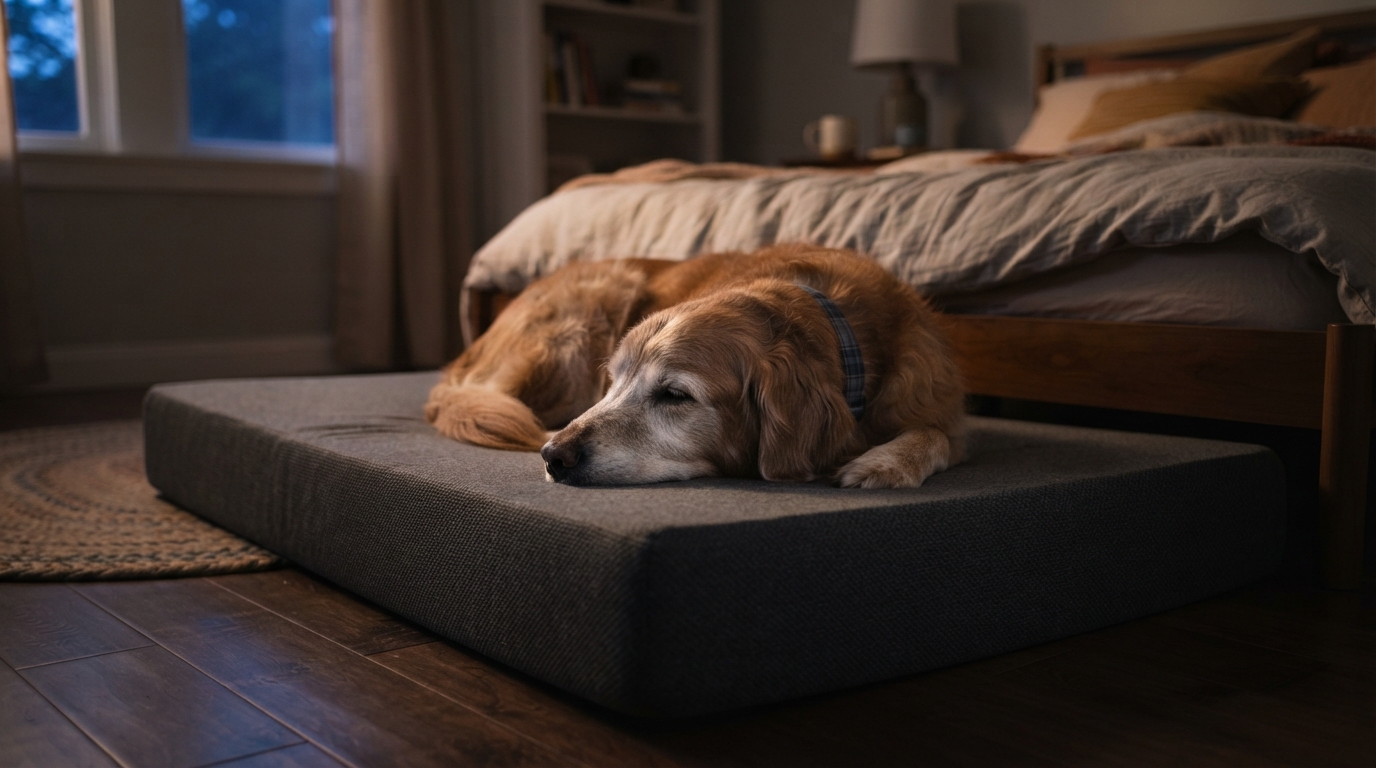
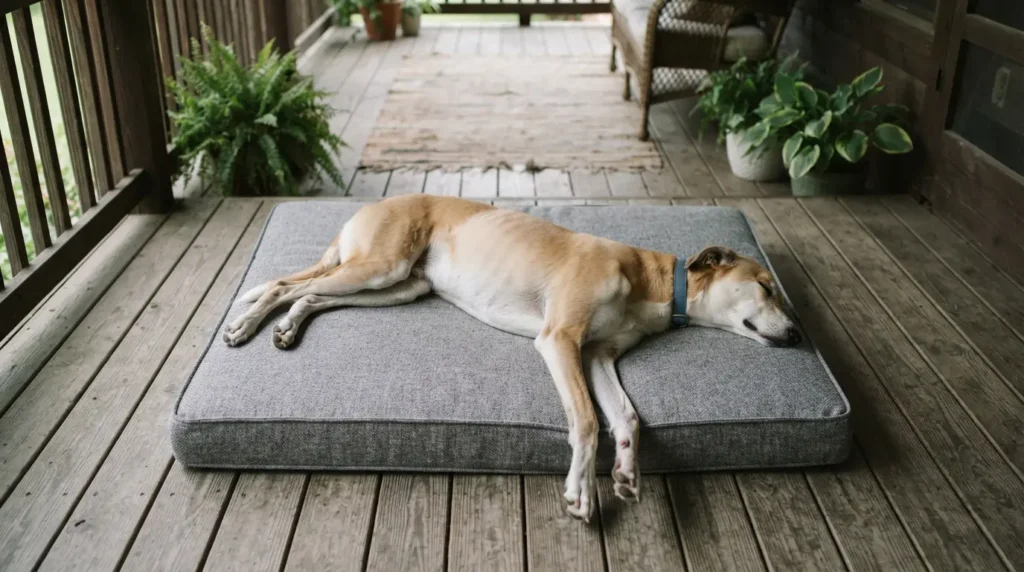
To choose between a dog sofa bed and a flat bed, observe your dog across several naps or nights. Note whether they curl tightly, sprawl on their side, lean against furniture, rest their head on an edge, or switch positions once they settle.
A simple note on your phone can help: record the posture, where your dog rests their head, and whether they press against a wall, couch, or other boundary. Repeated habits tell you more than one brief glance.
A curled sleeper may enjoy the boundary of a sofa bed, but curling alone doesn’t mean your dog wants high or enclosing sides. Some dogs curl up on open surfaces and simply want enough space to settle comfortably.
A sprawler usually needs an uninterrupted surface with room to extend their legs. If you’re considering a bolster bed, compare the interior space with your dog’s full sleeping posture, not just their curled shape.
A leaner or head-propper may make regular use of a raised side. By contrast, a dog that turns and resettles often may prefer open access around a flat bed. A dog seeking a sheltered spot may appreciate sides, but an anxious dog won’t necessarily feel better simply because a bed has bolsters.
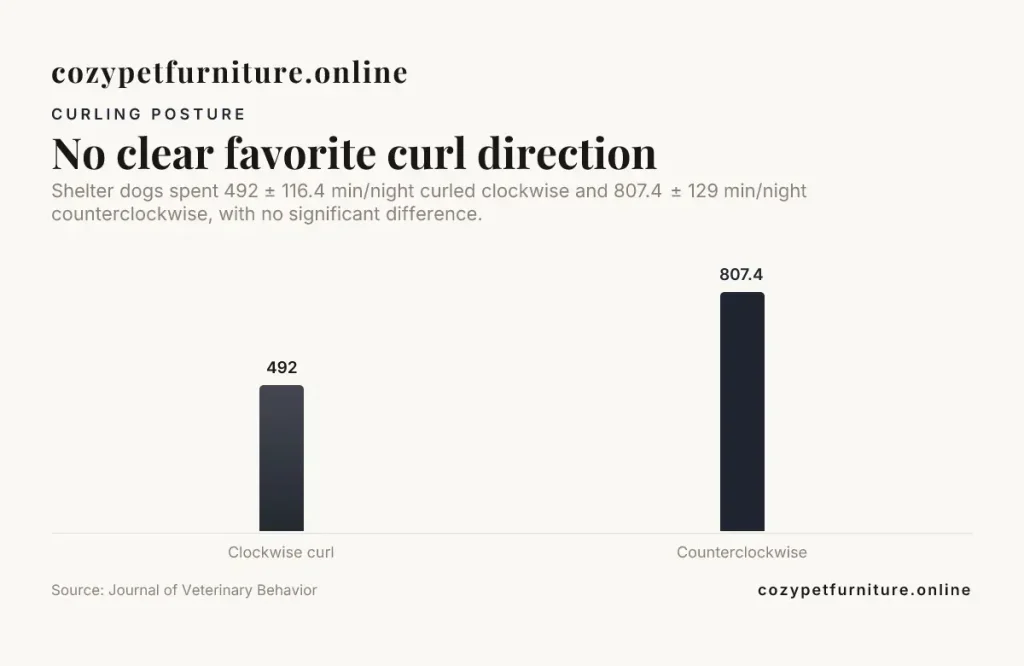
Shelter dogs spent 492 ± 116.4 min/night curled clockwise and 807.4 ± 129 min/night counterclockwise, with no significant difference.
Source: Journal of Veterinary Behavior
Measure usable space and make entry easy
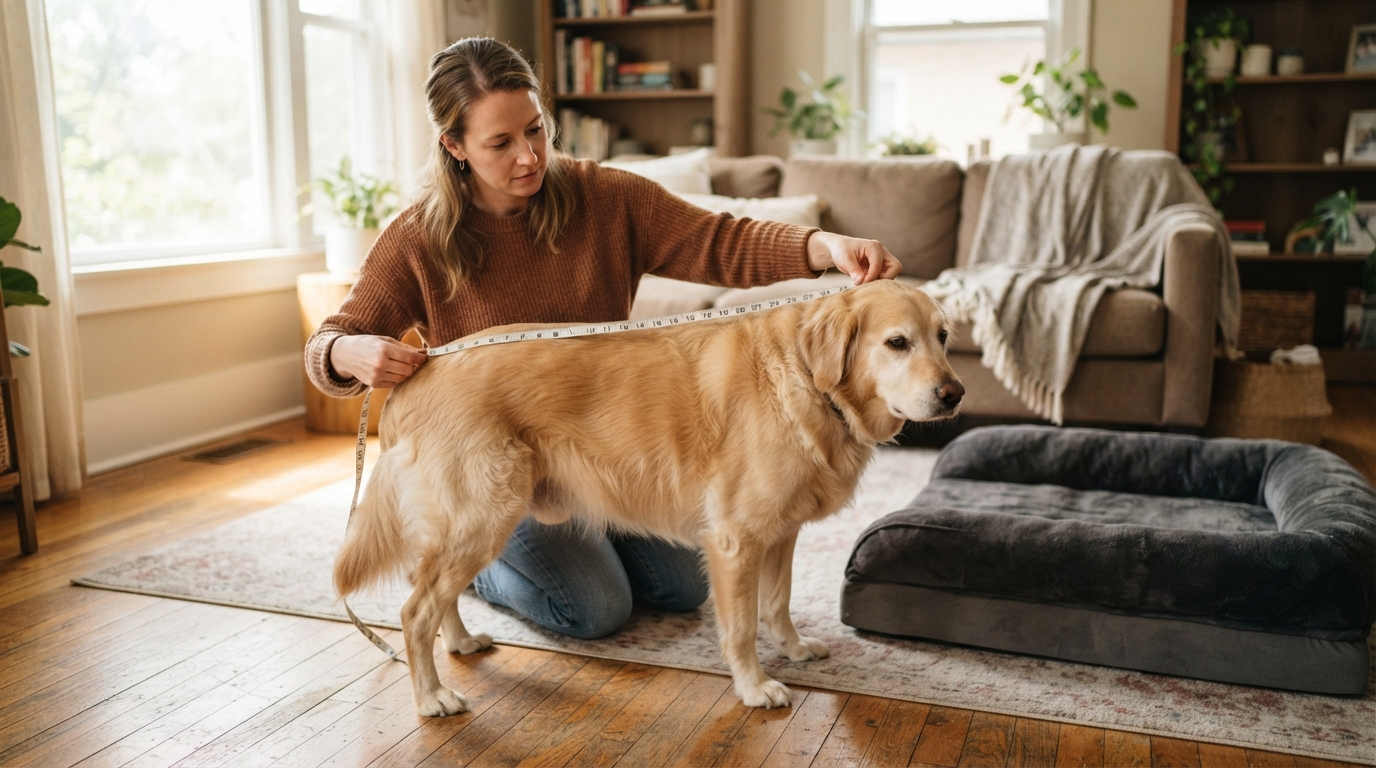
Measure your dog while they’re resting in their usual position, then leave room for a stretch or a change of posture. A bed that fits a curled body may still feel cramped when your dog lies on their side with their legs extended.
Compare the interior sleeping area, not only the outside dimensions. Bolsters reduce usable space, which matters especially for long-bodied dogs and sprawlers; a large-looking dog sofa can still have a small central surface.
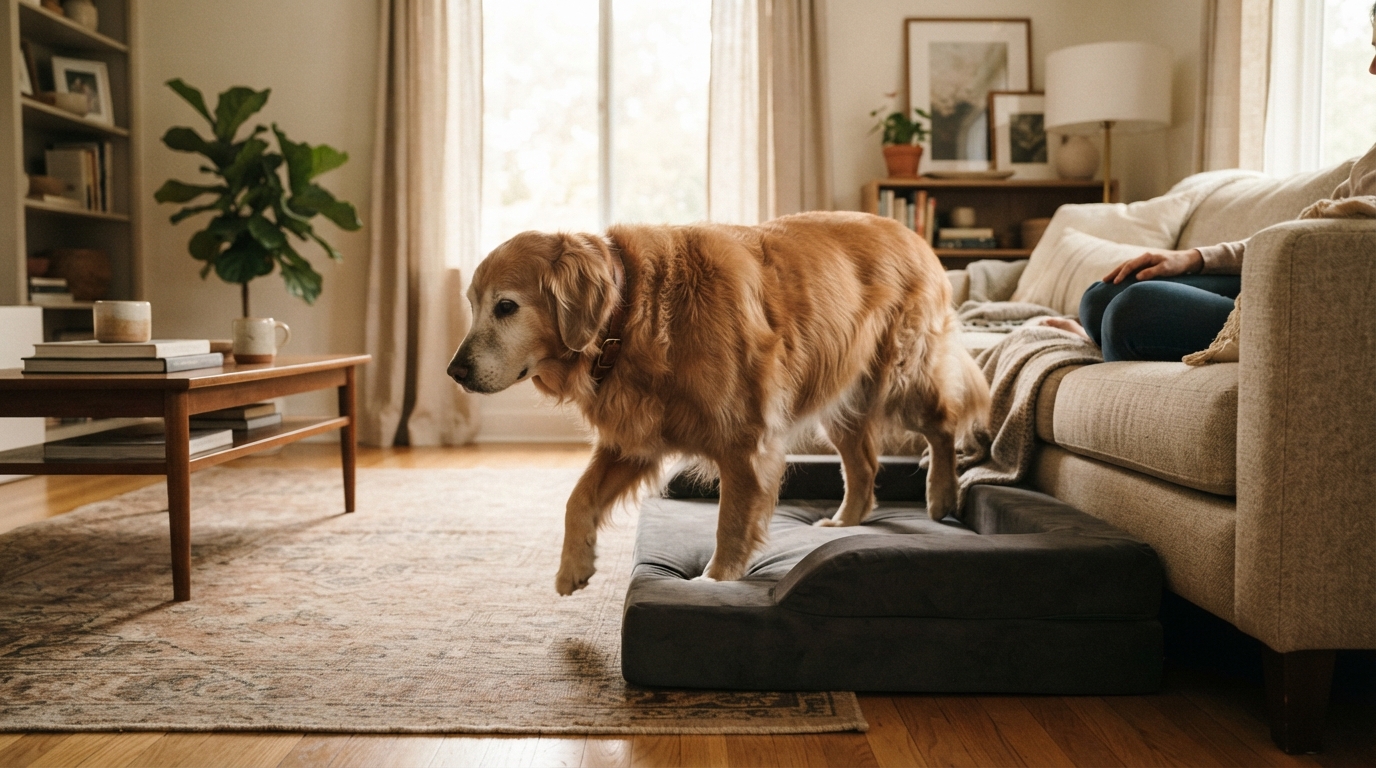
Also consider how your dog enters the bed. For stiff, short-legged, senior, or reluctant-stepper dogs, a low, easy-entry edge can be more practical than a tall bolster, even if that raised side looks comfortable.
Choose a stable spot on the floor so the bed doesn’t slide as your dog steps in, turns, or stands up. The guide to choosing the right bed size for your dog explains how to compare a dog’s measurements with the sleeping area.
Judge support separately from the bed’s shape
Your dog’s weight should be supported by the sleeping surface without their body sinking through the filling to the floor. Softness by itself doesn’t show that a bed will provide enough support.
Press the surface in several places and notice how quickly it rebounds, then look at whether the bed stays stable under weight spread across the sleeping area. A quick hand press can’t tell you how well the bed will hold up over time.
Foam density describes how much material is packed into a given volume; it isn’t the same as firmness. Firmness is assessed separately using indentation-force measurements, so neither property alone gives the full picture of how a bed will feel and support your dog.
Look for filling held evenly in place and securely constructed seams. Loose or shifting fill can create uneven patches in a flat bed or a bolster bed, while persistent dips and flattened areas can signal that cushioning has lost support.
A bed that looks fine from the outside may no longer provide enough support. If your dog has joint pain or mobility concerns, prioritize a stable, supportive surface and easy access over a raised edge or an orthopedic label, and discuss ongoing pain with your veterinarian.
For assessing construction and cushioning, turn to what orthopedic dog bed support claims mean.

Account for warmth, airflow, and changing habits
Raised sides can make a resting spot feel more enclosed and sheltered. An open flat bed allows more airflow around a sprawled dog, while a bed with bolsters may reduce airflow around its edges.
A dog that seeks cool floors or stretches out when warm may prefer an open, breathable surface. A dog that curls up in a draft may appreciate the boundary of a bolster, particularly in a cooler resting spot.
Watch for changes across seasons, rooms, and life stages. The same dog may sprawl when warm, curl up somewhere sheltered when the temperature drops, or find a raised edge harder to step over as they age.
If your dog’s preferences vary, separate resting surfaces in different rooms or seasons let them choose. A flat bed and a dog sofa bed don’t have to compete for one permanent spot in your home.
Airflow and raised sleeping surfaces are the focus of when an elevated cooling dog bed makes sense.
Plan for routine cleaning and long-term use
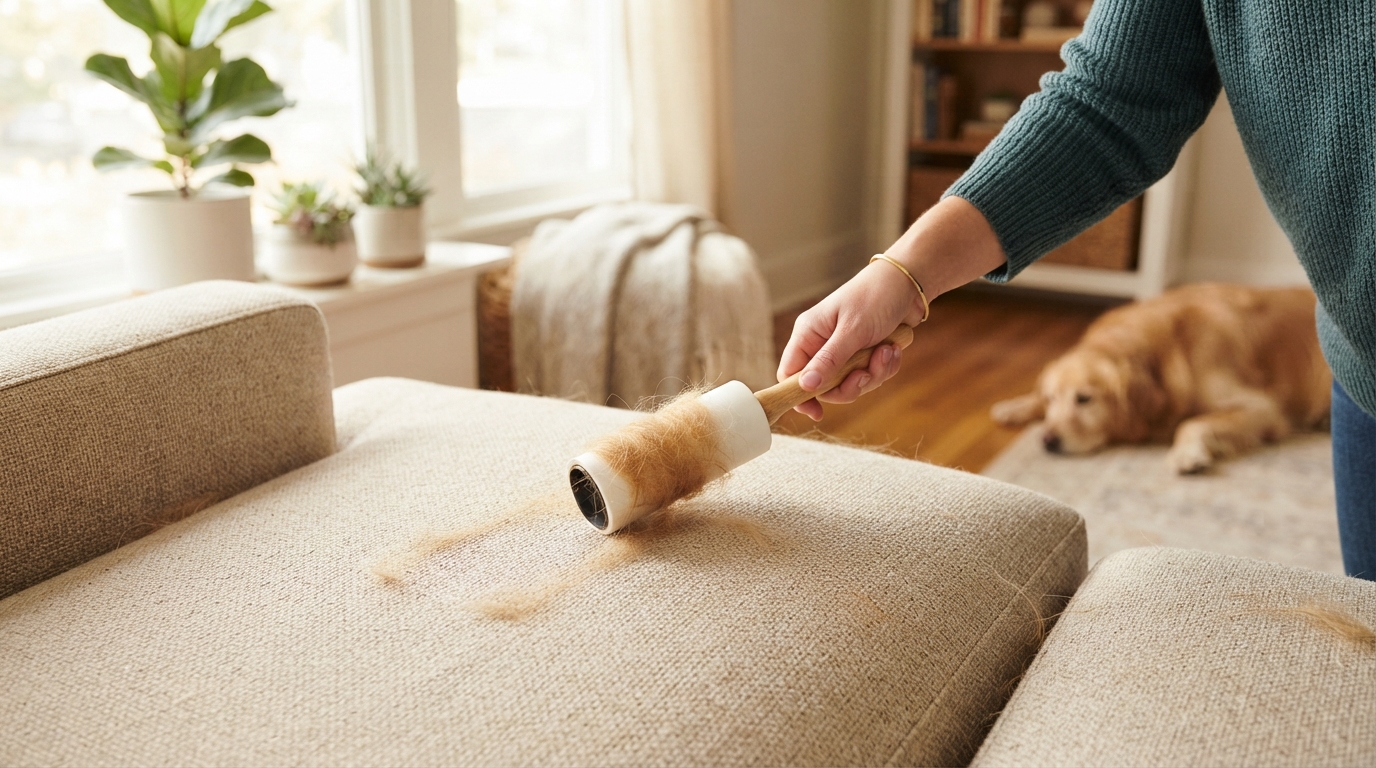
A removable cover can make routine cleaning simpler. For a sofa bed, consider whether any separate bolster covers can also be removed without disturbing the filling.
Wash covers according to their care instructions and let them dry fully before putting them back on. Damp fabric can hold moisture and odors, especially when it sits against the filling.
There isn’t one washing schedule for every dog. Wash the cover when it’s visibly soiled or smells, and adjust your routine to your dog’s shedding, outdoor habits, and any specific household needs.
It’s also important to remember that no fabric is completely pet-proof. Inspect seams, fabric, and filling periodically; flattened cushioning, shifting fill, or damaged material can make any bed less comfortable, whatever its shape.
Choose a design that suits your dog’s cleaning needs as well as their sleeping posture. Signs that a bed may need attention are covered in how often to replace a dog bed.

Frequently Asked Questions
How long should I give my dog to get used to a new bed shape?
There’s no set adjustment period, and some dogs investigate a new surface before choosing to rest on it. Leave the bed available in a familiar room and add a blanket your dog already uses, rather than placing them on it or taking away their usual resting spot.
What should I do if my dog chews or digs at a new bed?
Pick up the bed when you can’t supervise if your dog is tearing fabric or pulling out filling, since swallowed material can be dangerous. Offer a suitable chew toy or digging outlet, then reintroduce the bed during supervised rest; no bed fabric is a safe substitute for managing destructive chewing.
Can two dogs comfortably share one sofa bed or flat bed?
Some dogs settle together, while others prefer separate resting spots even if they’re comfortable sharing space elsewhere. Watch whether both dogs can rest without one crowding the other, and keep another bed available if either dog gets up or avoids the shared one.
Where should I place a dog bed so my dog is more likely to use it?
Try a quiet spot near the rooms where your dog already chooses to rest, while keeping the bed out of busy walkways. Avoid placing it beside a heater, in a persistent draft, or somewhere your dog can’t easily reach.
Can a sofa bed combine bolsters with memory foam?
Yes. Bolsters describe the raised sides, while memory foam describes the cushioning material, so one bed can include both features. Assess the sleeping surface and the size of the central area separately from the presence of bolsters.
How can I tell if my dog has outgrown a bed?
Notice whether your dog’s legs regularly extend over the edge, their body slips off while resting, or they increasingly choose the floor despite still using the bed at other times. Growth and changes in sleeping posture can make a once-comfortable surface feel cramped.
Conclusion
Dog Sofa Bed or Flat Bed: Which Shape Fits Your Sleeper? Choose a sofa bed if your dog regularly leans against an edge or rests their head on one, and choose a flat bed if they need open room to stretch or move around freely.
Before deciding, compare the usable sleeping area, cushioning, and ease of entry with your dog’s habits and needs. The best dog bed shape is the one your dog can use comfortably, with support that suits their body and a design you can keep clean.